

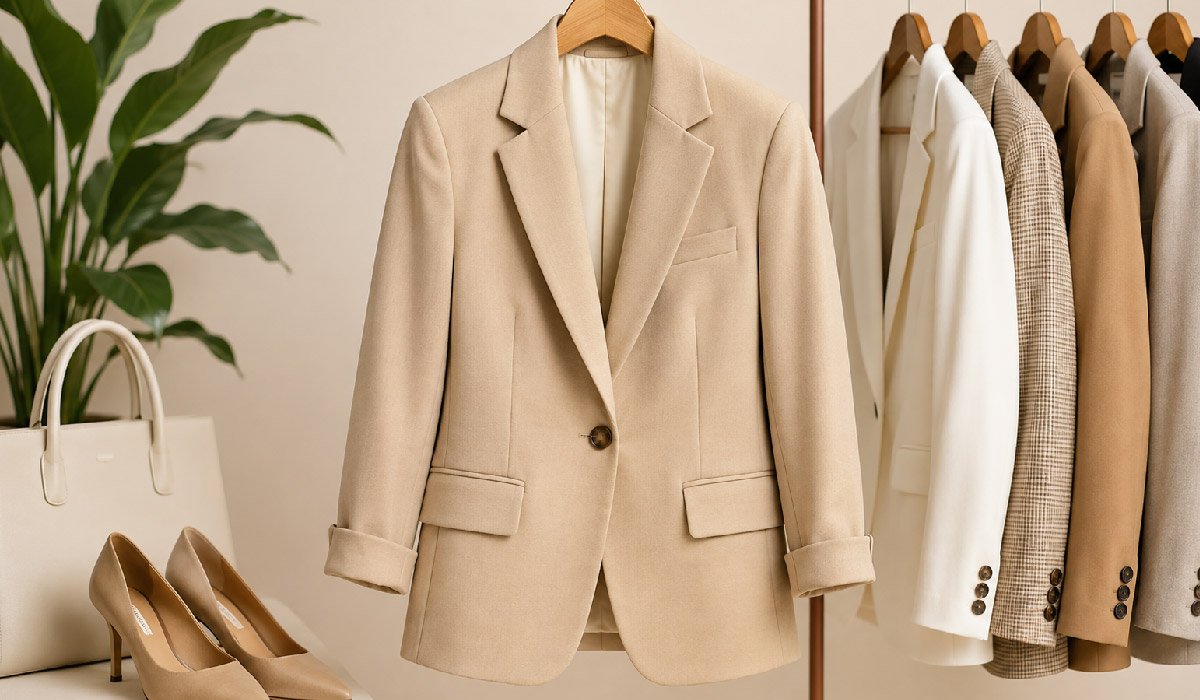
Blazertje is a Dutch fashion word that can look unfamiliar when you first see it online. The basic meaning, however, is simple. It is a diminutive form connected to the word “blazer.” Dutch commonly uses diminutive endings to express smallness or sometimes a softer sense.
Today, the word also appears in English-language fashion content, where writers sometimes use it for smaller, cropped, softer, or more casual blazers. These descriptions are not one fixed technical definition. This guide explains the real meaning of Blazertje, its connection to the traditional blazer, common styles, fabrics, fit, styling ideas, quality checks, and care.
What Is a Blazertje?
A Blazertje is, at its simplest, a Dutch diminutive connected to the noun “blazer.” Cambridge’s Dutch-English dictionary defines blazer as the familiar type of jacket, while Dutch grammar uses diminutive endings to express a smaller version of a noun.
In fashion articles, Blazertje is sometimes used more narrowly for a compact, relaxed, cropped, or lightweight blazer. That usage should not be treated as a strict clothing standard. A Blazertje does not have to use one particular fabric, length, lapel, or construction. The safest way to understand the term is as a blazer-related Dutch word whose exact garment design depends on context.
What Does Blazertje Mean in Dutch?
The meaning becomes clearer when the word is broken down. Blazer is also used in Dutch for the familiar jacket. Dutch then forms diminutives by adding endings such as -je, -tje, -pje, -kje, and -etje, depending on the sound and structure of the original word.
Diminutives commonly indicate small size, although they can also give words a softer or more familiar quality. Therefore, “little blazer” is a useful plain-English explanation of Blazertje. It should not be read as a technical rule saying the garment must have certain measurements or a specific modern silhouette.
Is a Blazertje a Different Type of Blazer?
There is no strong evidence that Blazertje represents a universally recognized technical category separate from the blazer. The word itself comes from Dutch word formation, while fashion websites have given it broader style meanings. Some describe a Blazertje as softer, smaller, lighter, or easier to wear than traditional tailoring.
That distinction is useful for understanding online fashion content, but shoppers should check the actual garment rather than relying on the name. Look at its measurements, material, lining, shoulder construction, length, and cut. Two jackets described as Blazertjes may look very different because brands and writers do not follow one standard definition.
Blazertje vs. Blazer: What Is the Difference?
The biggest difference is language rather than a universal construction rule. A blazer is an established jacket category. Traditionally, blazers sit between casual sports jackets and more formal suit jackets. Classic versions have also been associated with details such as metal buttons and solid or striped fabrics.
A Blazertje is the Dutch diminutive form related to blazer. Modern fashion content may use it for smaller or more relaxed interpretations, but those features are not compulsory. A regular blazer may therefore be cropped, oversized, unstructured, or lightweight too. Always judge a jacket by its actual design rather than assuming its characteristics from the Blazertje label alone.
A Brief History of the Blazer
The history of the blazer is much better documented than any separate history of the Blazertje. Blazers developed from British sporting and boating clothing during the nineteenth century. One well-known account connects the name with the bright red flannel jackets of the Lady Margaret Boat Club at St John’s College, Cambridge.
Early rowing blazers were practical garments associated with clubs and their colors. Over time, the jacket moved beyond sport and became part of everyday tailored clothing. The modern blazer can now appear in professional, casual, school, ceremonial, and fashion settings. Blazertje is best understood within this broader blazer tradition rather than as a separate historical movement.
Common Blazertje Styles
Because Blazertje does not define one official cut, many familiar blazer silhouettes can fit the idea. A cropped blazer finishes higher on the body and works naturally with high-rise clothing. A single-breasted blazer has one overlapping front and is among the easiest designs to style.
A double-breasted blazer uses a wider overlapping front and two visible button columns. Oversized styles deliberately add room through the body and shoulders, while fitted designs follow the body more closely. Longline versions extend farther below the hips. Unstructured jackets reduce internal shaping and padding. These differences affect appearance and comfort far more than the Blazertje name itself.
Fabrics Commonly Used for Blazertjes
Blazers can be made from many fabrics, so there is no single material required for a Blazertje. Wool is useful when structure and warmth are important, while lighter wool fabrics can also work in milder conditions. Linen is valued for breathability and a naturally relaxed surface, making it useful in warm weather.
Cotton offers another versatile option and can create either a crisp or casual appearance depending on the weave. Tweed provides more texture and is commonly associated with cooler-weather jackets. Jersey and other knitted fabrics offer stretch and softness. Blends combine different fiber properties, so checking the fabric label helps you understand warmth, feel, care requirements, and durability.
How Should a Blazertje Fit?
Start with the shoulders because major shoulder alterations can be difficult. In a conventionally fitted jacket, the shoulder line should look smooth rather than pulling, collapsing, or creating unwanted bumps. Oversized designs are different because extra width may be an intentional part of the silhouette.
Next, check the chest and front closure. You should be able to move naturally without strong pulling around the button. Sleeves should suit the intended look and allow comfortable arm movement. Jacket length is more flexible. Cropped styles create different proportions from mid-hip or longline designs. Most importantly, sit down, reach forward, and move your arms before deciding whether the fit works.
How to Choose the Right Blazertje
Begin with how you plan to wear the jacket. Someone buying one for work may prefer a clean, understated design that coordinates with several trousers and shirts. A casual wardrobe may benefit more from softer construction, patch pockets, textured fabrics, or a relaxed silhouette.
Climate matters too. Breathable linen and lightweight cotton can be practical in warmer weather, while wool and heavier textured materials offer more warmth in cooler conditions. Check the garment’s measurements instead of depending only on the size printed on the label. Shoulder width, chest room, sleeve length, overall length, fabric, lining, and care requirements should all influence your final choice.
How to Style a Blazertje
One reason blazers remain useful is their ability to move between casual and smarter clothing. For an easy everyday outfit, combine a relaxed Blazertje with a plain T-shirt and jeans. Sneakers keep the result casual, while loafers or simple leather shoes make the same combination look more polished.
For work, try a simple blazer with a shirt or fine knit and tailored trousers. A cropped version can work with high-waisted trousers, skirts, or dresses because the shorter jacket changes the visual proportions of the outfit. Keep colors simple when versatility matters. Neutral jackets are especially easy to combine with clothing already in your wardrobe.
Blazertje Outfit Ideas for Different Occasions
For a business-casual office, a simple blazer over a shirt, blouse, or lightweight knit can create a neat appearance without requiring a matching suit. Pair it with tailored trousers, a skirt, chinos, or dark denim if the workplace dress code allows jeans.
For weekends, use a softer blazer with a T-shirt, relaxed denim, and casual shoes. At dinner, darker trousers or a dress can make the jacket feel more refined. A Blazertje can also be useful while traveling when it provides comfortable layering and works with several outfits. Very formal occasions may still require clothing that follows the event’s specific dress code.
How to Wear a Blazertje in Different Seasons
The right fabric makes a major difference across seasons. During spring, cotton, lighter wool, and linen blends can provide enough coverage without making the jacket excessively warm. In summer, breathable linen and lightweight cotton are practical choices, particularly when the jacket has limited lining.
Autumn allows heavier cotton, textured wool, and tweed to enter the wardrobe. In winter, warmer wool jackets can be layered over shirts, fine sweaters, or turtlenecks. Climate should guide these choices because winter in one region may be mild compared with another. Rather than following a fixed seasonal rule, choose fabric weight and layering according to the actual temperature.
How to Identify a Good-Quality Blazertje
Quality starts with how the garment looks and feels. Examine the fabric for an even surface and check whether the jacket hangs cleanly when worn. Look closely at seams and stitching. They should appear secure and consistent, without obvious loose threads or unfinished areas where a finished seam would normally be expected.
Check buttons and buttonholes as well. Buttons should be firmly attached, while buttonholes should look clean. Inspect the lining, if present, for pulling or poorly finished joins. Lapels should lie naturally rather than twisting unexpectedly. Finally, move around while wearing the jacket. Good construction should support the intended silhouette without making normal movement unnecessarily uncomfortable.
What to Check Before Buying a Blazertje
Never buy solely because the word Blazertje appears in a product description. First check the size chart and actual garment measurements. Pay particular attention to shoulder width, chest measurements, jacket length, and sleeve length. Then read the fiber composition so you know what the jacket is made from.
Consider whether the material matches your climate and how often you expect to wear it. Look at the care label because some fabrics require more maintenance than others. Inspect pockets, buttons, seams, lining, and overall construction when shopping in person. Finally, think about your existing wardrobe. A jacket that works with several outfits is likely to receive more regular use.
How to Care for a Blazertje
The care label inside the garment should always be your first source of instructions. Blazers are made from different fibers and constructions, so a cleaning method that works for one jacket may damage another. Do not assume every Blazertje can be put into a washing machine.
Between cleanings, air the jacket and deal with small marks according to the fabric’s recommended care. Gentle steaming can help some materials release wrinkles, but heat should still be used carefully. Store the jacket on a hanger that supports its shoulders instead of leaving it folded for long periods. If professional cleaning is specified on the label, follow that recommendation.
How to Make Your Blazertje Last Longer
A few simple habits can extend the useful life of a jacket. Avoid cleaning it more frequently than necessary, especially when the care process is demanding on the material. Allow the garment to air after wearing and give it enough room in the wardrobe so it is not crushed between other clothes.
Fix small problems early. A loose button is easier to repair before it disappears, and a small opening in a seam should be addressed before it becomes larger. Use a suitable hanger to support the shoulders. Rotating several jackets rather than repeatedly wearing one can also reduce wear and give fabrics time to recover between uses.
Is a Blazertje Worth Adding to Your Wardrobe?
A Blazertje can be useful if you regularly need clothing that sits between very casual and highly formal dress. Blazers work with many wardrobe basics, including jeans, trousers, shirts, knitwear, skirts, and dresses. This makes one well-chosen jacket adaptable to different settings.
However, value depends on your lifestyle. Someone who rarely wears tailored clothing may not need several blazers. Before buying, consider how many outfits you can realistically create with the jacket. Fit, comfort, fabric, construction, and versatility matter more than whether the garment is currently fashionable. A jacket you enjoy wearing regularly generally provides more practical value than one bought only for a trend.
Common Misconceptions About Blazertje
One common mistake is treating Blazertje as the official name of a newly invented fashion category. Reliable evidence supports its Dutch linguistic connection much more clearly than claims about a separate modern garment category. Dutch diminutives are an established grammatical feature, while blazer itself is also used in Dutch.
A Blazertje also does not have to be cropped, unlined, lightweight, or designed for one gender. Those descriptions come from particular fashion interpretations rather than a universal definition. It should also not be confused with “petite” sizing. Petite clothing concerns proportions and sizing, while a Dutch diminutive is a linguistic form.
Conclusion
Blazertje may sound like the name of a completely new fashion item, but its foundation is much simpler. It comes from Dutch and is a diminutive connected to blazer. Dutch regularly uses diminutive endings, while the blazer itself is a long-established jacket with roots in nineteenth-century sporting dress.
Modern fashion writers sometimes use Blazertje for smaller, cropped, relaxed, or lightweight blazer styles, but there is no single construction that every garment must follow. When choosing one, focus on the things that can actually be evaluated: fabric, fit, length, comfort, construction, versatility, and care requirements.
FAQs
What does Blazertje mean?
Blazertje is a Dutch diminutive connected to the word blazer. In simple English, “little blazer” communicates the basic idea, although Dutch diminutives can express more than literal physical size.
Is Blazertje a Dutch word?
Yes. The base word blazer is used in Dutch, and Dutch forms diminutives through endings that include -tje and related forms.
Does Blazertje mean “little blazer”?
“Little blazer” is a useful simple translation. However, the diminutive should not be interpreted as an official fashion specification requiring a particular jacket length, material, or construction.
Is a Blazertje different from a normal blazer?
Not necessarily. Online fashion writers sometimes use Blazertje for smaller, softer, cropped, or relaxed blazers, but there is no single technical definition separating every Blazertje from other blazers.
Is a Blazertje always cropped?
No. The Dutch word itself does not establish a required hem length. Cropped blazers are one possible style, but mid-hip, oversized, fitted, and longer designs can also appear in blazer fashion.
Can you wear a Blazertje to work?
Yes, depending on your workplace dress code. A simple blazer can work well with a shirt, blouse, knitwear, tailored trousers, or a skirt in many business-casual environments.
Can you wear a Blazertje with jeans?
Yes. A blazer with jeans is an easy smart-casual combination. A T-shirt and sneakers keep the outfit relaxed, while a shirt and loafers can make it look more polished.
What should you wear under a Blazertje?
Common options include T-shirts, button-down shirts, blouses, lightweight sweaters, knit tops, and turtlenecks. Choose the layer according to the jacket’s fit, the weather, and the occasion.
Which fabric is best for a Blazertje?
There is no single best fabric. Linen and lightweight cotton suit warmer weather, while wool and tweed provide more warmth. Blends can offer a balance of comfort, structure, durability, and easier care.
How should a Blazertje fit?
The fit depends on the intended silhouette. Conventionally fitted jackets should sit cleanly through the shoulders and allow comfortable movement. Oversized and cropped designs intentionally use different proportions.
How do you care for a Blazertje?
Always check the garment’s care label first. Cleaning requirements depend on its fabric and construction. Proper hanging, careful wrinkle removal, timely repairs, and avoiding unnecessary cleaning can help preserve the jacket.
Is Blazertje a fashion trend or simply a Dutch word?
Its clearest established basis is linguistic: it is a Dutch diminutive related to blazer. Fashion websites also use the term as a style label, but those modern interpretations do not have one standardized definition.
You may also read: What Is Cricfooty? Meaning, History and Key Facts