

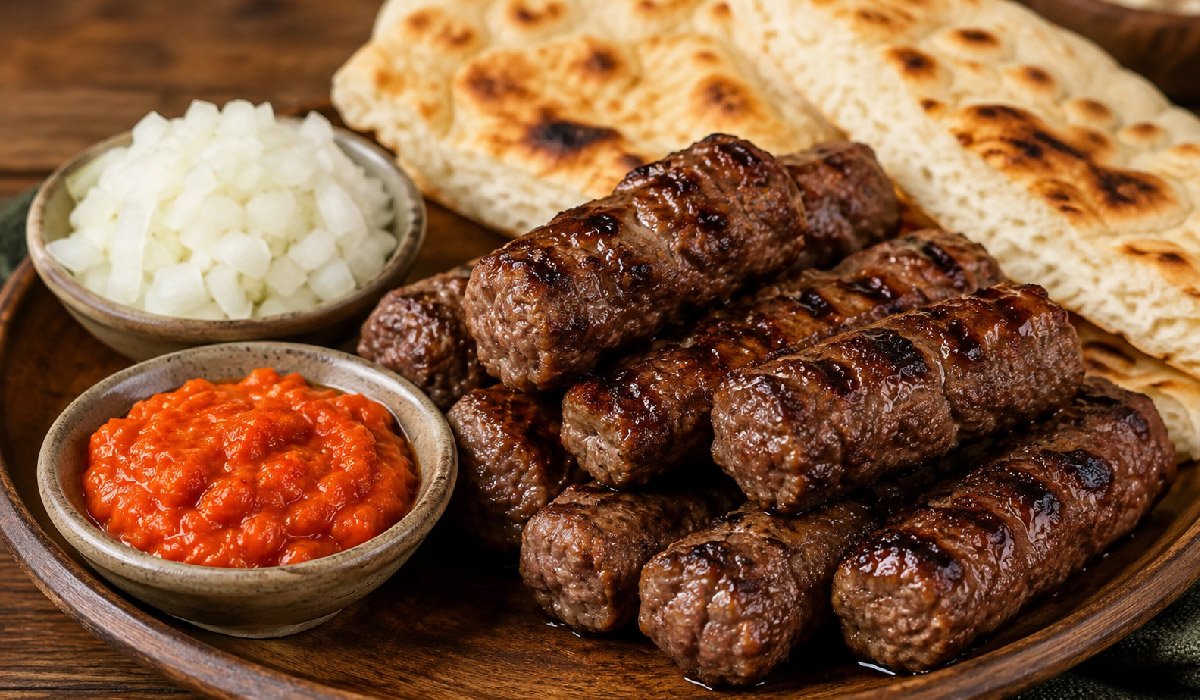
Levapioli is a food term that has started appearing in online recipes and food guides. It is usually described as seasoned minced meat shaped into small rolls and cooked over high heat. However, the name does not have the same clear culinary history as established Balkan dishes such as ćevapi. This makes the topic interesting but also easy to misunderstand.
In this guide, we explain what Levapioli means online, how it relates to Balkan grilled meat, which ingredients are commonly used, how it can be prepared, and what foods pair well with it.
What Is Levapioli?
Levapioli is generally used online to describe small pieces of seasoned ground meat that are shaped into short cylinders and grilled, fried, or baked. Beef, lamb, pork, poultry, or combinations of meats may appear in recipes using the name.
There is no single recognized Levapioli recipe or official standard. For that reason, ingredients and cooking methods can vary from one source to another. The food most often described under this name looks very similar to ćevapi, the well-established Balkan dish made from minced meat formed into small skinless rolls and cooked over direct heat.
Does Levapioli Have an Official Meaning?
Levapioli does not currently have one widely established culinary definition. Unlike the names of many traditional dishes, it is difficult to find the term in major historical or regional food references. Modern websites use it in different ways, although food-related pages commonly connect it with Balkan-style grilled minced meat.
This means readers should treat the name carefully. A recipe called Levapioli may describe something close to ćevapi, while another recipe may contain different meats, spices, or cooking methods. It is more accurate to describe Levapioli as an inconsistent modern food term rather than a strictly defined regional specialty.
Is Levapioli Really a Traditional Balkan Dish?
Many online articles describe Levapioli as a traditional Balkan food, but strong historical evidence for that exact dish name is limited. Established Balkan culinary sources are much more likely to discuss ćevapi or ćevapčići, which are recognized forms of grilled minced meat found across Southeast Europe.
The preparation commonly labeled Levapioli certainly resembles Balkan grilling traditions. That resemblance, however, does not prove that “Levapioli” itself is a historic regional name. A factual description should therefore separate the modern keyword from the documented traditions surrounding ćevapi instead of giving Levapioli an unsupported ancient or Ottoman history.
Why Levapioli Is Often Associated With Balkan Food
The Balkan connection becomes easier to understand when the physical form of the food is considered. Levapioli recipes normally describe minced meat shaped into short sausage-like pieces, cooked over a grill, and served with bread, onions, or sauces. Those features strongly resemble well-known ćevapi traditions.
Ćevapi are found in Bosnia and Herzegovina, Serbia, and other parts of the Balkans. Regional styles differ in meat mixtures, shapes, seasoning, bread, and accompaniments. This makes Balkan cuisine a logical reference point for explaining Levapioli, even though it is important not to present the newer term as an established regional name.
Levapioli and Ćevapi: Understanding the Connection
Ćevapi are small pieces of minced meat shaped without sausage casings and cooked on a grill. In Bosnia and Herzegovina and Serbia, they are closely connected with local grilling culture. Traditional serving styles commonly include soft bread and chopped onions, while other additions vary by location.
Levapioli descriptions follow almost the same basic formula. Both foods are typically presented as compact rolls of ground meat cooked with strong direct heat. Because documentation for ćevapi is much stronger, it provides the best culinary reference for understanding what a Levapioli-style dish is trying to represent. The connection is strong, although the names should not automatically be treated as identical.
Levapioli vs Ćevapi: Are They the Same Thing?
Levapioli and ćevapi can look almost identical, but there is an important difference in documentation. Ćevapi is an established Balkan food name with recognized regional forms. Sarajevo, Banja Luka, Travnik, Leskovac, and other places have their own traditions surrounding meat mixtures, shapes, grilling, and service.
Levapioli does not have that same documented regional structure. Modern online recipes use the term more loosely. It is therefore safer to say that Levapioli usually describes a ćevapi-like grilled meat preparation rather than claiming the two words are traditional synonyms. This distinction keeps the food description useful without creating unsupported history.
What Does Levapioli Look and Taste Like?
A typical Levapioli-style preparation consists of short, finger-shaped pieces of minced meat with no casing. Grilling creates a browned outer surface, while enough fat and careful cooking can keep the center tender and moist. The exact shape may vary because there is no standardized Levapioli recipe.
The flavor is mainly savory and meaty. Salt and black pepper are common choices, while some modern recipes add garlic, paprika, onion, or herbs. Charcoal grilling can contribute a noticeable smoky character. Because recipes differ, Levapioli can range from very simply seasoned meat to a stronger, spicier modern variation.
Common Ingredients Used in Levapioli-Style Recipes
Ground meat forms the base of nearly every food recipe using the Levapioli name. Beef and lamb are frequently mentioned, although pork and mixed-meat versions also appear. Salt provides the basic seasoning, while black pepper is often used for gentle heat.
Other ingredients should be considered optional rather than essential. Garlic can add aroma, and paprika may provide warmth and color. Some recipes include onion or herbs. Similar variation exists among ćevapi recipes, where meat and seasoning change between regional styles. The simplest approach is usually best because the main goal is to preserve the taste and texture of the grilled meat.
What Types of Meat Can Be Used?
Beef is a practical choice for Levapioli because it provides a familiar savory flavor and works well with direct grilling. Lamb gives the mixture a richer and more distinctive taste. Combining beef and lamb can balance those qualities, while some Balkan regional grilled-meat traditions also use pork or other meat combinations.
The important factor is not simply the animal but also the fat level. Extremely lean ground meat can become dry when exposed to intense heat. Ground poultry can also be used for a modern adaptation, although it changes the flavor and requires a higher safe cooking temperature than ground red meat.
Seasonings and Spices Commonly Used
Levapioli does not require a long list of spices. Salt and pepper provide a simple starting point and allow the flavor of the meat to remain noticeable. Garlic is another common addition in recipes for Balkan-inspired grilled meat, although its use varies between local ćevapi traditions.
Paprika may be added in some home-style recipes, but it should not be presented as necessary for every version. Onion and parsley are also optional choices. Using too many herbs and spices can move the dish away from the simple grilled-meat character that inspires it. A restrained seasoning mixture is usually easier to balance and adjust.
How Levapioli Is Prepared
Begin with chilled ground meat and place it in a clean bowl. Add salt and any chosen seasonings, then mix until they are evenly distributed. Avoid adding large quantities of liquid because the mixture still needs to hold its shape during cooking.
Divide the seasoned meat into similar portions. Roll each portion gently between your hands to create a short cylinder. The pieces should be similar in thickness so they cook at roughly the same speed. They can then be grilled, cooked on a grill pan, or prepared in a skillet. Always cook ground meat to an appropriate safe internal temperature.
How to Shape the Meat Properly
Uniform shaping improves both appearance and cooking. Start by dividing the meat mixture into equal or nearly equal portions. Roll each portion into a short log with clean, slightly damp hands. Keep the thickness reasonably consistent from one piece to another.
Do not squeeze the mixture harder than necessary. Heavy compression can create a very dense texture. Extremely thick pieces can also brown outside before reaching a safe temperature inside. Thin pieces cook quickly but may dry out. There is no official Levapioli size, so the practical goal is simply to produce compact, evenly sized rolls that remain easy to turn.
Grilling Levapioli Over Charcoal or Direct Heat
Grilling is the cooking method most closely associated with the Levapioli descriptions found online. It also matches traditional methods used for ćevapi, where direct heat produces a browned exterior and a characteristic grilled aroma. Charcoal can add another layer of smoky flavor.
Heat the grill before placing the meat on the cooking surface. Arrange the pieces with enough room to turn them easily. Rotate them during cooking so several sides develop color. Avoid relying only on outside appearance when judging doneness. Ground beef, pork, veal, and lamb should reach 160°F or 71.1°C internally according to USDA guidance.
Other Ways to Cook Levapioli at Home
A charcoal grill is not required. A heavy grill pan can produce attractive browning indoors, while a regular skillet is one of the easiest options for everyday cooking. Heat the pan first, add only as much oil as needed, and turn the pieces as their surfaces brown.
An oven can also handle larger batches with less attention, although it will not create the same direct-fire character. Finishing baked pieces briefly under controlled high heat can increase browning. Whichever method you choose, food safety remains more important than color. A thermometer provides a more reliable indication of doneness than appearance alone.
How to Keep Levapioli Juicy While Cooking
Good texture begins with the meat mixture. Using ground meat with some fat generally produces a more forgiving result than choosing an extremely lean mixture. Keep the shaped pieces similar in size so smaller ones do not become dry while larger pieces are still cooking.
Preheat the grill or pan so the surface browns efficiently. Turn the meat when needed, but avoid repeatedly pressing it against the cooking surface because this can release moisture and fat. Most importantly, cook it safely without leaving it on the heat much longer than necessary. Ground-meat color alone cannot reliably show whether the center is safely cooked.
What to Serve With Levapioli
Because Levapioli is commonly presented as Balkan-inspired grilled meat, Balkan accompaniments are natural choices. Soft flatbread provides a simple base and can absorb juices from the meat. Chopped raw onion adds freshness and a sharp contrast to the rich grilled flavor.
Ajvar, a roasted pepper-based Balkan condiment, is another useful pairing. Creamy accompaniments such as kajmak appear with some regional ćevapi styles. Fresh tomato and cucumber salads can make the plate lighter, while roasted vegetables or potatoes create a larger meal. These should be presented as serving ideas inspired by Balkan grill traditions rather than mandatory Levapioli rules.
Bread, Onions, Ajvar, and Other Balkan-Style Pairings
Bread and onion are especially important when looking at established ćevapi service. Sarajevo-style ćevapi are commonly paired with somun and chopped onions, while Serbian grill culture also uses breads such as lepinja or somun. Their soft texture works well with hot grilled meat.
Ajvar contributes roasted pepper flavor and is commonly associated with Balkan cuisine, although its use with ćevapi varies by region. Kajmak adds richness and a creamy texture. Yogurt or sour milk also appears with certain styles. These accompaniments provide a useful model for serving Levapioli without inventing a separate traditional Levapioli serving custom.
Modern Levapioli Recipe Variations
Since Levapioli has no single standardized recipe, cooks have considerable room to adapt the basic idea. A beef-only version keeps the flavor simple. Beef mixed with lamb creates a richer result, while ground chicken or turkey can produce a lighter-tasting modern alternative.
Additional variations may use chili, smoked paprika, fresh herbs, or different sauces. Plant-based mixtures can even copy the small cylindrical shape, although they should be described as vegetarian or vegan adaptations rather than traditional Levapioli. The useful principle is to distinguish creative cooking from culinary history. A modern variation can be enjoyable without needing to be presented as an old regional recipe.
Levapioli Nutrition and Calories
There is no reliable universal calorie figure for Levapioli because its recipe is not standardized. Nutrition changes according to the type of meat, fat percentage, portion size, added oil, bread, and sauces. A lean beef version will differ greatly from a fatty mixed-meat version served with rich dairy toppings.
Meat-based Levapioli can provide protein along with nutrients naturally present in meat, including iron, zinc, and vitamin B12. The complete meal matters as much as the meat itself. Adding vegetables provides more variety, while large amounts of bread, oil, cheese, or creamy sauces can raise the meal’s overall energy content considerably.
Is Levapioli a Healthy Meal?
Levapioli can be included in a balanced meal, but calling it automatically healthy would be misleading. Its nutritional value depends on the ingredients and portion. Meat provides useful protein and micronutrients, but fattier cuts can also contain significant amounts of saturated fat.
Salt levels vary according to the recipe. Serving the grilled meat with tomatoes, cucumbers, peppers, greens, or another vegetable side can create a more varied plate. Portion size also matters. Someone wanting a lighter meal might choose leaner meat and fewer rich sauces. Levapioli is best judged as part of the full meal rather than by the name of the dish alone.
Common Mistakes When Making Levapioli
One common mistake is making the pieces in very different sizes. Small pieces may become dry before thick ones finish cooking. Another problem is choosing extremely lean meat and then cooking it for too long, which can produce a firm, dry result.
A cold grill or pan can also reduce browning and leave the meat cooking slowly in released moisture. On the other hand, uncontrolled flames can burn the exterior. Excessive seasoning may hide the meat’s flavor rather than improve it. Finally, never judge ground meat safety only by whether the center looks brown. Check its temperature with a food thermometer instead.
How to Store and Reheat Leftover Levapioli
Cooked Levapioli should be cooled and refrigerated promptly in a covered container. USDA guidance recommends using most cooked meat leftovers within three to four days when kept properly refrigerated. Food left at room temperature for more than two hours should generally be discarded, with a shorter limit in very hot conditions.
For reheating, heat leftovers thoroughly rather than warming only the outside. USDA recommends reheating leftovers to 165°F or 73.9°C. A covered skillet or oven can help limit moisture loss. Raw meat should always be stored separately from bread, salads, sauces, and other foods that will be eaten without further cooking.
Can You Prepare Levapioli Ahead of Time?
Yes. The meat mixture can be seasoned and shaped before the meal, provided it remains properly refrigerated. Preparing the portions ahead of time is useful for barbecues because the cook can move directly from the refrigerator to the grill instead of shaping meat while guests are waiting.
Raw ground meat should not remain in the refrigerator indefinitely. USDA guidance generally recommends using or freezing raw ground meats within one to two days. If you freeze shaped pieces, thaw them safely in the refrigerator before cooking. Sauces, chopped vegetables, and other accompaniments can usually be prepared separately so the grilled meat can be served fresh.
Why the Meaning of Levapioli Is Confusing Online
Search results create much of the confusion surrounding Levapioli. Some websites present it confidently as a historic Balkan dish, while others admit that the name is not widely recognized. A few pages even attach broader or unrelated meanings to the term.
This pattern makes it difficult to identify one authoritative definition. In food writing, the most consistent modern use points toward a small grilled ground-meat dish resembling ćevapi. That description is useful as long as its limitations are clear. Readers should be cautious when a website gives exact historical dates, ancient traditions, protected recipes, or regional customs for Levapioli without providing reliable supporting evidence.
Final Thoughts
Levapioli is best understood as a modern and loosely defined food term rather than a clearly documented traditional Balkan dish name. Most food descriptions use it for seasoned ground meat shaped into short rolls and cooked over direct heat. That preparation has an obvious resemblance to ćevapi.
Understanding that difference makes it possible to enjoy the food without repeating uncertain history. Beef, lamb, or other ground meats can be used, and the finished pieces pair naturally with bread, onions, vegetables, and Balkan-style condiments. For readers exploring the topic, documented ćevapi traditions provide the strongest cultural and culinary reference point.
FAQs
What is Levapioli?
Levapioli is an online food term commonly used for small rolls of seasoned minced meat that are grilled or cooked over high heat.
Where does Levapioli come from?
It is often linked online with Balkan food, but a specific historical origin for the Levapioli name is not well documented.
Is Levapioli the same as ćevapi?
Not exactly. Most descriptions strongly resemble ćevapi, but Levapioli is not an established traditional synonym.
What meat is used?
Recipes may use beef, lamb, pork, poultry, or mixtures.
Can it be cooked without a grill?
Yes. A skillet, grill pan, or oven can also be used.
You may also read: Rodwajlery: Complete Guide to the Rottweiler Dog Breed