

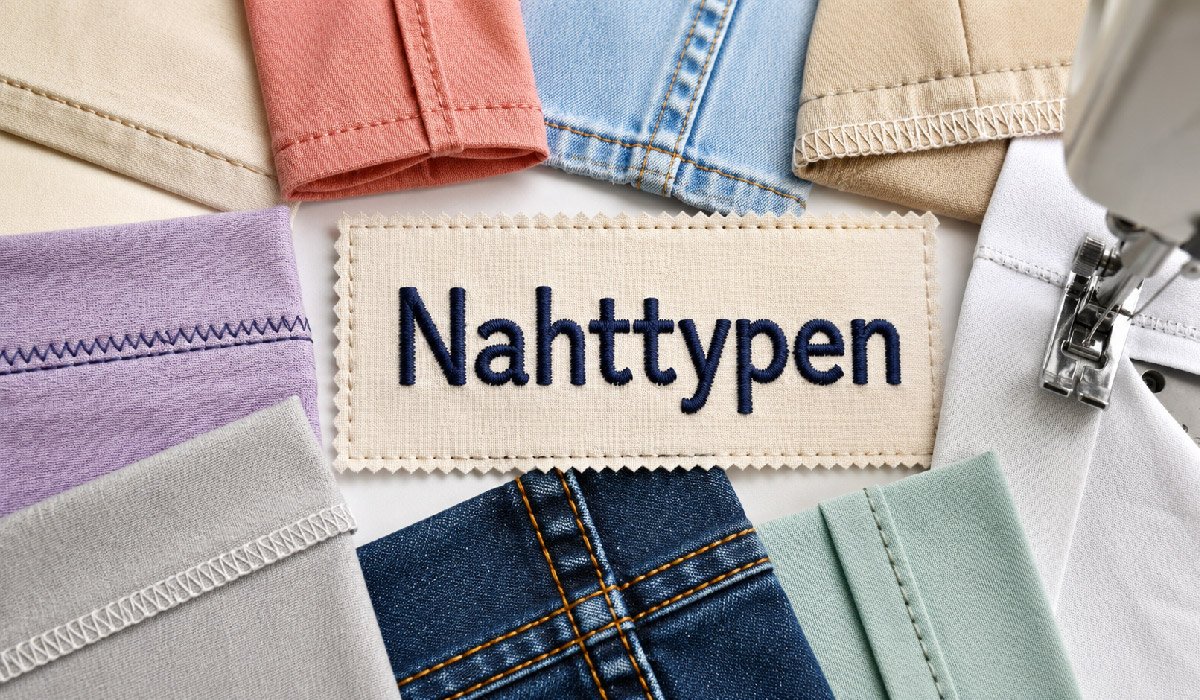
Nahttypen are an important part of sewing because they describe the different ways fabric pieces can be joined together. The correct seam can improve strength, comfort, appearance, and the overall quality of a finished garment.
The term is especially useful for people learning sewing, making clothes at home, repairing garments, or studying textile production. Different fabrics and projects require different seams, so understanding these choices makes sewing easier and more accurate.
This guide explores what Nahttypen means, how seams differ from stitches, and which types work for different projects. It also covers construction methods, fabric selection, finishing, common mistakes, professional techniques, and modern sewing developments.
What Is Nahttypen?
Nahttypen is a German term that means “seam types.” The singular idea comes from “Naht,” meaning seam, while “Typen” means types. In sewing, it describes different seam constructions used to connect pieces of fabric or other textile materials.
A seam is created where two or more material layers are joined. Depending on the construction, it may remain hidden inside a garment, appear visibly on the outside, enclose raw fabric edges, or provide additional reinforcement.
Different Nahttypen serve different purposes. Some create simple garment joins, while others provide extra strength, flexibility, neat finishing, or decorative detail. Choosing the correct type depends mainly on the fabric, garment design, seam location, and expected use.
Why Nahttypen Matter in Sewing
A seam does much more than keep two fabric pieces together. It contributes to the shape and structure of clothing. Poor seam selection can cause puckering, excessive bulk, broken stitching, uncomfortable edges, or weak areas in an otherwise well-made garment.
Strength is particularly important around shoulders, side seams, waistlines, pockets, and other areas exposed to regular movement. A suitable seam distributes stress effectively and helps the garment remain usable through wearing and washing.
Appearance matters too. Fine dresses may require discreet, clean seams, while jeans can use prominent reinforced seams as part of their design. Understanding Nahttypen therefore helps combine practical construction with an attractive finish.
Nahttypen and Sticharten Are Different
One useful distinction for beginners is between a seam and a stitch. In German sewing terminology, Nahtarten or Nahttypen refers to seam types, while Sticharten refers to stitch types. The two concepts are closely connected but are not identical.
A stitch is formed by thread in or through the material. Straight stitch and zigzag stitch are familiar examples. A seam is the complete construction that joins or finishes material, usually using one or more rows of stitches.
For example, a French seam is a seam construction rather than simply a stitch setting on a machine. Understanding this difference makes sewing instructions easier to follow and helps beginners choose both the appropriate seam construction and stitch.
Open or Plain Seam
The plain seam is one of the most basic Nahttypen and is widely used in garment construction. Two fabric pieces are normally placed with their right sides together and stitched along the required seam allowance.
After sewing, the seam allowances can be pressed open. Depending on the material, the raw edges may first be finished with an overlock, zigzag, or another suitable edge-finishing method to reduce fraying.
Plain seams work well for many shirts, skirts, dresses, trousers, and home-sewing projects. Their simple construction makes them particularly useful for beginners, although the appropriate stitch length and edge treatment still depend on the fabric.
Closed Seam
A closed seam differs from an open seam mainly in how its seam allowances are handled. Instead of pressing the two allowances in opposite directions, they are generally finished and pressed together toward one side.
This construction can be useful when pressing a seam open is unnecessary or unsuitable. The exact method depends on the garment and material, and an additional visible row of stitching may sometimes be added for reinforcement or appearance.
Closed constructions are common in many types of clothing. They can create an efficient and tidy result, especially when combined with suitable edge finishing. The fabric thickness should always be considered because several layers can create unwanted bulk.
French Seam
The French seam is a clean seam construction that encloses the raw fabric edges. Unlike an ordinary plain seam, the fabric is first joined so that the initial seam allowance can later be enclosed by a second line of stitching.
After the first stitching and trimming stage, the fabric is turned and pressed. A second seam is then sewn so the original raw edges become trapped inside the finished construction rather than remaining exposed.
French seams are particularly suitable for lightweight and sheer fabrics such as chiffon, organza, and some lightweight cottons. They provide an attractive inside finish without requiring a serger, although they can become bulky on thick materials.
Flat-Felled Seam
The flat-felled seam is recognized for its strong and tidy construction. Its raw edges are enclosed, while visible stitching helps secure the folded layers. This creates a durable seam that can withstand frequent use.
Denim garments provide a familiar application. Similar reinforced constructions can be found on jeans, shirts, workwear, and other clothing where durability is important. The finished seam can also contribute to the garment’s visual character.
Accuracy is important when creating this Nahttyp. Uneven trimming or folding can make the finished stitching look irregular. Pressing each stage carefully helps keep the seam flat and makes accurate topstitching considerably easier.
Lapped Seam
A lapped seam is created by overlapping pieces of material instead of constructing the join exactly like a conventional plain seam. Stitching then secures the overlapping layers in the required position.
The construction can provide a relatively flat result and may also become a visible design element. Its suitability depends heavily on the material, desired appearance, required strength, and exact sewing method being used.
Variations of overlapping seam constructions appear in clothing and technical textile work. Because the edges and layers may remain visible in certain versions, careful cutting and accurate stitching are important for achieving a professional-looking result.
Bound Seam
A bound seam uses an additional strip of fabric, binding, or tape to cover an edge or seam allowance. The binding hides the raw edge and creates a cleaner and often more attractive finish.
This technique is useful when the inside of a garment will be visible or when a refined interior finish is desired. Binding may be functional, decorative, or both, depending on the chosen material and construction.
Jackets, unlined garments, bags, and decorative sewing projects can benefit from bound edges or seam allowances. Bias-cut binding is particularly useful around curves because its structure allows it to follow curved edges more easily.
Overlocked and Serged Seams
An overlocker, also called a serger in many regions, can trim fabric edges while wrapping thread around them. Depending on the machine, stitch configuration, and project, overlocking can finish edges or simultaneously construct and finish certain seams.
This method is common in ready-to-wear clothing because it is fast and produces a tidy result. It is especially useful for materials whose raw edges would otherwise fray significantly during handling, washing, and regular use.
Overlocking should not automatically be treated as the best solution for every seam. Fine fabrics, formal tailoring, heavy materials, and special constructions may require different finishing methods. The project should determine the technique rather than the machine available.
Stretch Nahttypen for Knit Fabrics
Stretch fabrics require special attention because the seam must often move with the material. If an inflexible stitch is used where considerable stretching occurs, the thread may break when the garment is worn.
Depending on the machine and fabric, suitable options can include narrow zigzag, dedicated stretch stitches, overlock constructions, or coverstitching for particular applications. Testing is valuable because different knitted fabrics behave differently under the presser foot.
T-shirts, leggings, sportswear, underwear, and other stretch garments depend on flexible construction. The correct needle is equally important. Ballpoint, jersey, or stretch needles may be appropriate depending on the specific knitted material being sewn.
Decorative Nahttypen and Topstitching
Seams do not always need to disappear inside clothing. Designers can make them part of the finished appearance. Visible stitching can emphasize garment lines, create contrast, reinforce particular areas, or give clothing a distinctive style.
Topstitching is commonly placed near an existing seam or edge. It is particularly noticeable on denim, jackets, pockets, collars, and casual clothing. Accurate spacing is important because irregular stitching becomes easy to see on the garment surface.
Decorative machine stitches can add further detail, although they should suit the fabric and design. Decoration should not weaken an important structural seam. Functional construction and decorative stitching can therefore be planned separately when necessary.
Hand-Sewn Nahttypen
Not every seam or finishing operation requires a sewing machine. Hand sewing remains useful for tailoring, alterations, repairs, couture techniques, linings, hems, and places where visible machine stitching would be undesirable.
Hand methods provide excellent control. Slip stitches, backstitches, catch stitches, and other hand stitches can perform different jobs during garment construction. Some are intended to remain almost invisible from the garment’s outer surface.
Hand sewing is slower than machine construction, but speed is not always the main goal. A carefully placed hand stitch can solve problems that are difficult to handle by machine and can provide a particularly refined finish.
Machine-Sewn Nahttypen
Sewing machines make garment construction faster and help produce consistent stitch length. A standard domestic machine can handle a large range of projects using straight, zigzag, stretch, and other available stitch settings.
Specialized machines extend these possibilities. Overlockers efficiently construct or finish certain edges and seams, while coverstitch machines are widely associated with professional-looking hems and related applications on knit garments.
Machines still require correct adjustment. Thread tension, stitch length, needle type, presser-foot pressure where adjustable, and thread selection can affect the finished seam. Testing these settings on leftover fabric is a practical step before sewing the actual garment.
Choosing Nahttypen for Lightweight Fabrics
Lightweight materials need careful handling because bulky seam constructions can affect their drape. Chiffon, organza, voile, and other fine fabrics may also expose messy seam allowances through the outer material.
French seams are therefore useful for many lightweight garments because they neatly enclose raw edges. Narrow seam finishes can also work well where reducing bulk is particularly important.
Needle and thread selection matter just as much as seam construction. A needle that is unsuitable or too large may damage delicate material. Testing the entire seam on a scrap helps reveal puckering, slipping, stretching, or visibility problems before construction begins.
Choosing Nahttypen for Heavy Fabrics
Heavy fabrics place different demands on seams. Denim, canvas, and similar materials can create thick intersections where several layers meet. The seam needs sufficient strength without becoming unnecessarily bulky or difficult to sew.
Plain reinforced seams, flat-felled constructions, or other suitable strong methods can be selected according to the project. Jeans demonstrate how strong construction and topstitching can work together to provide both durability and a recognizable appearance.
Needle strength and machine capability should also be considered. Forcing a domestic machine through excessive layers can cause skipped stitches, needle breakage, or damage. Reducing bulk and using equipment appropriate for the material produces safer, cleaner results.
Choosing Nahttypen for Clothing
Different areas of one garment may require different Nahttypen. A shirt, for example, does not necessarily use exactly the same construction at its side seams, armholes, collar, cuffs, and hem.
The decision should reflect movement, stress, fabric thickness, visibility, and desired appearance. Areas exposed to greater strain may require reinforcement, while visible interior areas can benefit from cleaner finishing.
This is why professional garment construction involves more than selecting one favorite seam and using it everywhere. Good sewing means matching each construction method to the job it must perform within the finished garment.
Seam Allowance and Its Importance
Seam allowance is the fabric between the stitching line and the cut edge. Patterns normally specify an allowance, and following that measurement is important because changing it can alter the size and fit of the finished item.
The required allowance varies between patterns and construction methods. Some techniques need enough material for trimming, folding, or enclosing edges. Others are designed around relatively narrow allowances.
Beginners should therefore avoid assuming that one seam allowance works for every pattern. Reading the instructions before cutting and marking important stitching lines can prevent fitting problems and make complicated Nahttypen much easier to construct accurately.
Pressing Nahttypen Correctly
Pressing is an essential part of good sewing. It is different from simply ironing a completed garment because seams are usually pressed at specific stages during construction to shape and set them.
An open seam is generally pressed with its allowances separated, while other constructions may require both allowances to be pressed toward one side. French and flat-felled seams also depend on accurate pressing during their construction.
Heat must suit the textile. Excessive temperature can scorch, shine, melt, or distort sensitive fabrics. Using a pressing cloth where appropriate and testing an unfamiliar material first can help protect the project while still producing crisp seams.
Finishing Raw Seam Edges
Many woven fabrics fray at cut edges, so seam finishing can improve durability and appearance. Several methods are available, and the best choice depends on the material, garment style, equipment, and desired interior finish.
Overlocking is a popular solution, but it is not the only option. Zigzag finishing, binding, enclosed seams, turned-and-stitched treatments, and other techniques can also control raw edges.
The cleanest method is not automatically the most complicated one. A lightweight everyday garment and a tailored jacket have different needs. Good finishing should complement the fabric without adding unnecessary stiffness, weight, or bulk.
Common Nahttypen Mistakes
Choosing a seam solely because it looks attractive is a common mistake. The construction must also suit the fabric and stress level. A beautiful but unsuitable seam can distort, break, or become uncomfortable during wear.
Incorrect seam allowance, unsuitable needles, poor thread tension, and failure to press during construction can also lower quality. Stretch fabrics present another problem when sewers use stitching that cannot expand sufficiently with the material.
Rushing often makes these problems worse. Testing on scrap fabric can reveal most issues early. A short test provides an opportunity to check stitch quality, seam strength, tension, pressing temperature, and the appearance of the finished construction.
Professional Tips for Better Nahttypen
Start by identifying the material rather than immediately selecting a stitch. Consider whether it is woven or knitted, lightweight or heavy, stable or stretchy. These characteristics help narrow down appropriate seam constructions.
Next, think about the seam’s location. A highly stressed area requires different treatment from a decorative panel. Consider whether the seam will touch the skin, remain visible, need flexibility, or require an especially clean interior.
Finally, create a complete sample using scraps from the actual project. Sew, finish, press, and stretch or handle the sample as it will be used. This small test can prevent much larger mistakes later.
Nahttypen in Fashion and Textile Production
Commercial clothing production uses seam constructions according to garment type, production speed, cost, appearance, and performance requirements. Everyday T-shirts, tailored jackets, jeans, lingerie, and sportswear therefore use noticeably different construction approaches.
Factories also rely on specialized equipment that performs particular operations efficiently. Industrial lockstitch, overlock, coverstitch, and other machines can produce consistent results at much greater speed than ordinary home-sewing equipment.
Despite this technology, the basic principle remains familiar to home sewers. The seam must match the textile and purpose. Industrial efficiency does not remove the need to consider strength, flexibility, comfort, appearance, and edge finishing.
Nahttypen in Upholstery and Technical Textiles
Nahttypen extend far beyond everyday clothing. Upholstery, bags, automotive textiles, outdoor products, protective items, and other sewn goods also depend on seams suited to their particular materials and working conditions.
An upholstery seam may face repeated pressure and abrasion. Outdoor equipment can require water-resistant construction, while bags need reinforcement in areas carrying weight. These requirements can be very different from those of a lightweight blouse.
Technical applications may therefore use specialized threads, seam constructions, tapes, coatings, bonding, or sealing processes. Understanding the intended use of the finished product becomes especially important when performance and safety matter more than decorative appearance.
Modern Seam Technology
Modern textile manufacturing is no longer limited to conventional needle-and-thread construction. Some products use adhesive bonding, welding, taping, or combinations of traditional stitching and newer joining methods.
Bonded and welded constructions can be valuable in selected sportswear and technical products because they may reduce bulk or provide particular performance characteristics. Seam-sealing tape is also used with suitable constructions to improve water resistance.
These technologies do not make traditional Nahttypen obsolete. Instead, manufacturers now have more joining methods available. The best technique continues to depend on the material, product requirements, manufacturing process, durability expectations, and desired appearance.
Final Thoughts
Understanding Nahttypen gives sewers a stronger foundation for almost every project. Seam selection influences durability, fit, flexibility, comfort, and appearance, so it deserves as much attention as fabric choice, cutting, and stitching accuracy.
Beginners can start with simple seam constructions before learning French seams, flat-felled seams, binding, stretch constructions, and more specialized techniques. Practicing each method on scrap material makes the differences much easier to understand.
There is no single Nahttyp that is best for everything. The right choice is the one that suits the fabric, location, purpose, and desired finish. Learning to make that choice is an important step toward better sewing.
FAQs
What does Nahttypen mean in English?
Nahttypen is a German word that can be translated as “seam types.” In sewing, it refers to different ways materials are joined or finished to provide the required strength, flexibility, appearance, or durability.
What are the most common Nahttypen?
Common examples include plain seams, French seams, flat-felled seams, lapped seams, and bound constructions. Overlocked construction and edge finishing are also widely used. The appropriate option depends on the fabric and project.
Which Nahttyp is best for beginners?
A basic plain seam is usually a useful starting point because its construction is simple and appears in many sewing projects. Beginners can then progress to enclosed and reinforced seams as their skills improve.
Which Nahttypen are suitable for stretchy fabric?
Stretch fabrics can use constructions made with narrow zigzag, stretch stitches, overlocking, or other flexible methods depending on the project. The seam and stitching need enough elasticity to move without thread breakage.
What is the difference between Nahttypen and Sticharten?
Nahttypen describes types of seam constructions, while Sticharten means types of stitches. A French seam is a seam construction, for example, whereas straight stitch and zigzag are stitch types used to form or finish sewing work.
You may also read: What Does Cbybxrf Mean? A Complete and Simple Guide