

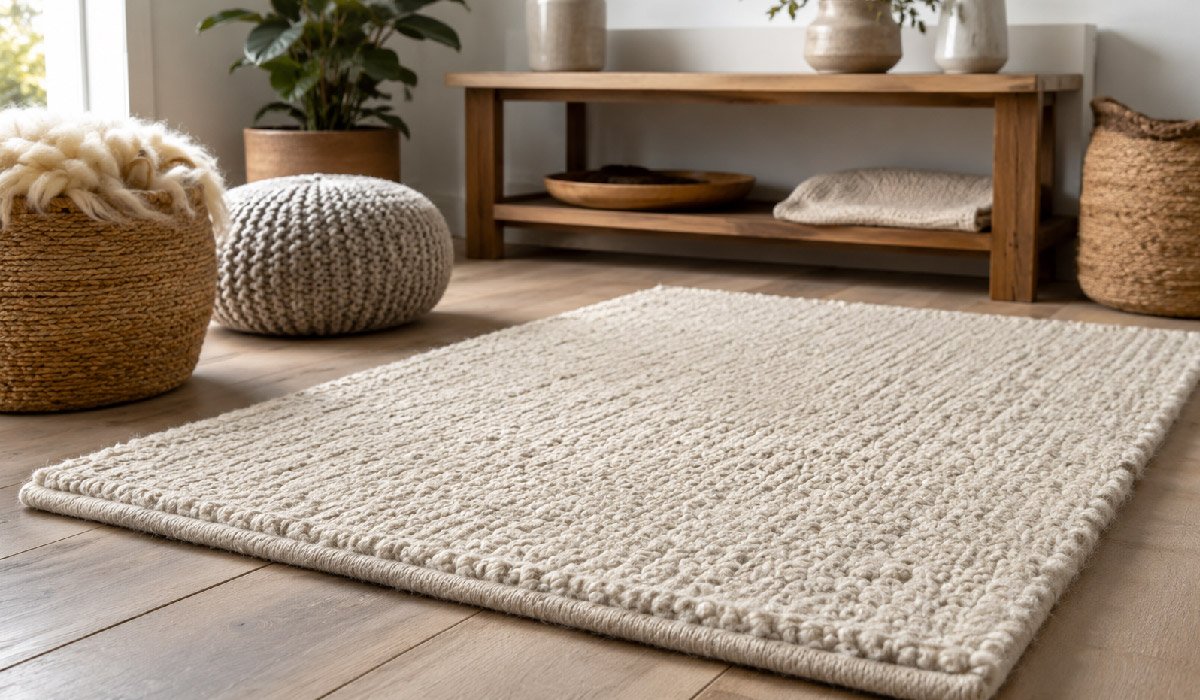
Wollmatten are wool mats used for different practical and decorative purposes. In the home, they can provide a soft surface, warmth underfoot, texture, and added comfort on hard floors. Wool is also used in specialized garden and landscape mats, although these products are different from indoor decorative mats. Interest in wool comes from its natural fiber structure, resilience, moisture management, and renewable origin. This guide explains what Wollmatten are, how they are made, their main types, benefits, limitations, uses, maintenance needs, and the important points to consider before buying.
What Are Wollmatten?
Wollmatten are mats made completely or partly from wool fibers. The exact design can vary greatly. Some are soft decorative floor coverings, while others are dense felted or nonwoven mats created for practical purposes. Wool has been used for floor coverings for thousands of years because it offers insulation, comfort, and durability. Modern Wollmatten can therefore combine an old natural material with contemporary manufacturing methods. However, buyers should always check the product description carefully. A product called a wool mat may contain other fibers, backing materials, dyes, adhesives, or finishes in addition to wool.
What Does the German Word “Wollmatten” Mean?
“Wollmatten” is a German term. “Wolle” means wool, while “Matten” is the plural form of “Matte,” meaning mats. In practical English usage, Wollmatten can therefore be understood as “wool mats.” The term itself does not describe one particular brand, construction method, size, or style. This is important because products sold as wool mats can serve very different purposes. One may be an attractive floor mat for a bedroom, while another may be a dense technical mat. Understanding the intended use is more helpful than relying on the name alone when choosing a product.
What Materials Are Wollmatten Made From?
The main material in a Wollmatte is normally sheep’s wool, but the exact fiber content depends on the product. Some mats use pure wool, while others combine wool with synthetic or additional natural fibers. A mat may also contain a separate backing, binding, dyes, adhesives, or other materials needed for its construction. Wool itself is a protein-based natural fiber made mainly from keratin. Its complex internal structure gives it several useful textile properties. Buyers interested in natural or biodegradable products should check the full composition because the properties of pure wool cannot automatically be applied to every blended mat.
How Wollmatten Are Made
There is no single method used to make all Wollmatten. Wool fibers first need to be prepared before they can be turned into a useful textile structure. Depending on the product, the fibers may be woven, tufted, felted, or mechanically joined into a nonwoven material. These different methods create different surfaces and levels of firmness. A woven floor mat may have a clearly visible pattern, while felted wool can produce a dense and relatively uniform surface. Construction matters because it affects appearance, texture, cleaning needs, resilience, and suitability for busy areas. Buyers should therefore consider construction alongside fiber content.
Main Types of Wollmatten
Wollmatten can be divided into several broad groups according to their construction and purpose. Woven wool mats use interlaced fibers or yarns and can range from simple flat designs to detailed patterns. Tufted products can offer a thicker and softer surface. Felted wool mats have a dense structure created by bonding or entangling wool fibers. Nonwoven wool mats are also produced for technical and horticultural uses. Within these groups, thickness and texture can vary considerably. There is no single “best” type. A suitable choice depends on where the mat will be placed and how much traffic, moisture, and cleaning it will face.
Natural Properties of Wool That Make It Useful for Mats
Wool has a distinctive structure that helps explain why it works well in many textile products. Its fibers have a natural waviness called crimp. This structure helps trap small pockets of air and contributes to insulation. Wool fibers also have elasticity, allowing them to bend and recover rather than remaining permanently compressed after every movement. Wool can absorb and release moisture vapor because it is hygroscopic. Its outer cuticle also provides some natural resistance to surface moisture and staining. Together, these characteristics contribute to wool’s comfort, resilience, moisture management, and usefulness in floor coverings.
Key Benefits of Wollmatten
The main advantages of Wollmatten come from both wool itself and the construction of the finished mat. Wool can provide warmth, cushioning, resilience, and a naturally textured appearance. Its fibers can recover after bending and compression, which is useful for products that receive regular foot traffic. Wool floor coverings can also help soften sound in rooms with many hard surfaces. Another advantage is the renewable nature of wool, since sheep grow new fleece. However, quality matters. A poorly constructed mat will not automatically perform well simply because it contains wool. Construction, density, backing, fiber quality, and maintenance all influence performance.
Thermal Insulation and Warmth Underfoot
One reason wool feels comfortable on floors is its natural crimp. The curved fibers create spaces that can hold still air. This trapped air contributes to wool’s insulating behavior. As a result, a wool mat can provide a warmer-feeling surface over materials such as tile, stone, or wood. This can be especially noticeable when walking barefoot during colder weather. However, a Wollmatte should not be confused with structural building insulation. A floor mat can improve surface comfort and provide some insulation locally, but it does not replace properly designed insulation in floors, walls, roofs, or other parts of a building.
Sound Absorption and Indoor Comfort
Rooms containing hard floors, bare walls, glass, and other solid surfaces can allow sound to reflect around the space. Soft textile materials can help reduce some of these reflections. Wool floor coverings are valued partly for their acoustic qualities and can make a room feel less harsh or echoing. A Wollmatte may therefore be useful in a living room, bedroom, home office, or other area where greater softness is welcome. Its cushioning can also improve comfort underfoot. The exact acoustic effect will depend on the mat’s size, thickness, construction, backing, and the other materials already present in the room.
Moisture Management and Natural Resilience
Wool interacts with moisture differently from many synthetic fibers. It is hygroscopic, which means it can absorb moisture vapor from its surroundings and later release it when conditions change. This ability contributes to wool’s moisture-management properties. Wool fibers are also naturally elastic. Their crimp and internal protein structure allow them to bend and recover repeatedly. These characteristics are useful in floor coverings that experience pressure from feet and furniture. However, moisture management does not mean a wool mat should remain wet. Prolonged dampness can create cleaning and care problems, so Wollmatten should still be used and maintained according to the manufacturer’s instructions.
Wollmatten for Home Interiors and Floor Coverings
Inside a home, Wollmatten can serve both practical and decorative roles. They can soften the appearance of hard floors while introducing texture to a room. Depending on their construction, wool mats can work with traditional, rustic, minimalist, Scandinavian-inspired, or contemporary interiors. Natural wool shades can create a quiet look, while dyed fibers allow manufacturers to produce stronger colors and patterns. Function should still come before appearance. A thick, soft mat may suit a bedroom, while a flatter and more resilient construction can be more practical in a busy area. Always match the mat to the conditions of the room.
Best Places to Use Wollmatten Around the Home
Bedrooms, living rooms, reading areas, and home offices are natural locations for Wollmatten because these spaces benefit from softness and warmth underfoot. Wool mats can also be used in hallways or other busier spaces when the construction is designed for regular traffic. Entry areas require more careful selection because outdoor dirt and moisture can increase maintenance. Bathrooms and constantly damp spaces may not suit every wool mat. Placement also affects safety. On smooth wood, laminate, stone, or tile floors, an appropriate rug pad or non-slip solution may be necessary to prevent movement and protect the surface underneath.
Wollmatten in Modern Interior Design
Wool has a natural texture that works easily with many interior styles. Cream, beige, brown, grey, and other restrained shades can complement timber, stone, metal, and neutral furniture. A simple Wollmatte can add softness to a minimalist room without becoming its main feature. More colorful or patterned designs can instead create a visual focal point. Size is just as important as color. A mat that is too small may look disconnected from the furniture around it. Before buying, measure the available floor space and decide whether the mat should define a seating area, provide bedside comfort, or simply protect a smaller section of flooring.
Wool Mats for Gardens, Landscaping, and Weed Control
Not every Wollmatte is intended for indoor flooring. Specialized wool mats and nonwoven wool textiles are also produced for horticultural use. Research and commercial applications show that wool-based mulches can suppress weeds and provide thermal benefits around plants. Some horticultural wool mats are designed to biodegrade after use. However, results depend on product construction and local conditions. Research has also found that wool mulch does not outperform every biodegradable alternative in every measure. Decorative indoor wool mats should never be assumed suitable for gardening. Garden applications require products specifically designed for soil, plants, moisture, and outdoor exposure.
Environmental Benefits and Sustainability of Wollmatten
Wool has several environmental characteristics that make it interesting as a textile fiber. Sheep grow a new fleece, making wool renewable. Pure wool can also biodegrade under suitable environmental conditions. At the same time, calling every Wollmatte “eco-friendly” would be too simple. Sheep farming, processing, transportation, dyes, backing materials, product lifespan, and final disposal all influence environmental impact. A mat containing synthetic backing or blended fibers may behave differently from a pure wool product at the end of its life. Sustainability is therefore best judged by examining the complete product, its expected useful life, and how it was produced.
Wollmatten vs Synthetic Mats
Wool and synthetic mats have different strengths. Wool offers natural resilience, insulation, moisture management, and a distinctive texture. Pure wool is also renewable and biodegradable under appropriate conditions. Synthetic mats can offer other practical advantages depending on the fiber and construction. Some are inexpensive, lightweight, highly stain resistant, or designed specifically for wet and demanding locations. Purchase price can also make synthetic options attractive for temporary spaces or tight budgets. Instead of assuming one material is always better, consider the room, expected traffic, cleaning requirements, desired lifespan, and environmental priorities. The best choice is the one that fits the intended use.
Wollmatten vs Other Natural-Fiber Mats
Wool is only one natural material used for mats. Cotton, jute, sisal, and other plant fibers are also common. Cotton can provide a softer and often lighter floor covering. Jute has a recognizable coarse natural texture, while sisal is commonly chosen where a firmer surface is wanted. Wool stands apart for its crimp, elasticity, insulation, and moisture-vapor management. These differences affect how each material feels and performs. No natural fiber is perfect for every room. Comparing texture, expected traffic, moisture exposure, cleaning instructions, and construction is more useful than choosing a mat simply because its fiber is described as natural.
How to Choose the Right Wollmatten
Start by deciding exactly where the mat will be used. A bedroom and a busy hallway place very different demands on a floor covering. Check the fiber composition rather than relying only on the product name. Then consider construction, thickness, density, surface texture, backing, dimensions, and cleaning instructions. If environmental impact is important, look beyond the wool content and examine dyes, backing materials, manufacturing information, and credible certifications where available. Price should also be considered alongside expected use. A more expensive mat is not automatically better, but good materials and careful construction can make a meaningful difference to long-term performance.
Wool Quality, Construction, Thickness, and Density
Wool is not one completely uniform material. Sheep breeds produce fibers with different diameters and characteristics, and manufacturers select wool according to the intended textile product. Floor coverings often need resilience and durability rather than the very fine softness valued in clothing. Construction also changes performance. A thick mat may feel luxurious, but thickness alone does not prove quality. Density, yarn or fiber preparation, backing, finishing, and workmanship matter too. Before buying, examine specifications instead of judging only from photographs. A well-made product should clearly state its dimensions, material composition, intended use, and recommended method of care.
Choosing the Right Size, Texture, and Design
Measure the floor before choosing a Wollmatte. In a living room, decide whether the mat will sit beneath furniture or simply define a smaller central area. Beside a bed, make sure enough of the surface remains exposed to provide useful comfort when standing. Texture should reflect how the room is used. Deep, soft surfaces can feel comfortable but may require more careful cleaning. Flatter constructions can be easier in areas with frequent foot traffic. Color also matters. Neutral designs are flexible, while patterns can become a strong decorative feature. Choose according to the room rather than short-lived trends.
How to Clean and Maintain Wollmatten
Regular care helps wool floor coverings maintain their appearance and useful life. Routine vacuuming removes loose soil before particles become more deeply embedded. Spills should be treated promptly according to the manufacturer’s instructions. Avoid aggressive rubbing, since it can spread a stain or disturb the surface. Cleaning products should be suitable for wool, especially when dealing with valuable or carefully constructed mats. Some products may require professional cleaning rather than home washing. Rotating a mat can also help distribute wear in busy locations. International wool-industry guidance emphasizes preventive maintenance, routine cleaning, and correct stain treatment for wool carpets.
Common Problems With Wool Mats and How to Prevent Them
Wollmatten have advantages, but they also require sensible care. Some new wool floor coverings may release loose fibers, especially during early use. Stains can become difficult to remove when spills are ignored or treated incorrectly. Excess moisture may also cause problems if a product is not designed for wet conditions. Stored wool textiles can be vulnerable to textile pests, so clean, dry storage is important. Movement on smooth flooring can create a slipping risk unless the mat has suitable backing or an appropriate pad. Reading the care label and using the mat in its intended environment can prevent many avoidable problems.
Are Wollmatten Suitable for Homes With Children and Pets?
Wollmatten can work in family homes, but suitability depends more on construction and household habits than on wool alone. A dense, durable mat may cope well with regular foot traffic, while a delicate handmade piece may need more protection. Pet hair can require frequent vacuuming, and claws may catch on certain looped or textured surfaces. Families with young children should also consider how easily spills can be treated. A secure mat is particularly important where people run or play. Check for a suitable non-slip backing or rug pad, and choose a design whose cleaning requirements match everyday family life.
Advantages and Disadvantages of Wollmatten
Wollmatten offer several clear advantages. Wool provides natural insulation, resilience, moisture-vapor management, texture, and comfort. It is also renewable, and pure wool can biodegrade under suitable conditions. On the other hand, wool mats may cost more than basic synthetic alternatives. Some require specialized cleaning, and not every construction works well in wet or extremely busy locations. Fiber shedding can occur with some products, especially when new. Environmental performance also varies when wool is combined with synthetic backing, dyes, or other materials. Looking at both strengths and limitations makes it easier to decide whether wool fits your needs.
How Long Can Wollmatten Last?
There is no reliable single lifespan that applies to every Wollmatte. Useful life depends on fiber quality, construction, traffic, placement, maintenance, cleaning, and exposure to moisture or direct wear. A carefully made wool floor covering that receives appropriate care can remain useful for a long time because wool fibers have natural resilience. Poor construction or unsuitable use can shorten that life considerably. This is why fixed claims such as “every wool mat lasts 20 years” should be treated cautiously. For a specific product, warranty details, construction information, manufacturer care instructions, and verified customer experience provide more useful guidance than a general lifespan promise.
Are Wollmatten Worth Buying?
Wollmatten can be a good choice for people who value natural texture, warmth underfoot, resilience, and renewable materials. They are especially appealing in rooms where comfort and appearance matter. However, they are not automatically the right choice for every location. A low-cost synthetic mat may be more practical where frequent replacement, heavy moisture, or very simple cleaning is the priority. The decision should therefore consider more than the purchase price. Compare construction quality, expected use, maintenance requirements, materials, and likely longevity. A suitable wool mat offers the best value when its natural properties match the needs of the space.
Final Thoughts
Wollmatten show why wool remains useful in modern homes even after thousands of years of textile use. The fiber combines natural crimp, resilience, insulation, and moisture management with the benefit of being renewable. Wool mats can provide comfort and visual warmth in living spaces, while specially designed wool mats also have practical horticultural applications. Still, not every Wollmatte has the same quality or environmental profile. Fiber content, construction, backing, intended use, and maintenance all matter. Choosing carefully is more important than simply choosing wool. A well-matched mat can provide a practical and attractive addition to the right space.
FAQs
What does Wollmatten mean?
Wollmatten is a German term referring to wool mats. It can describe different products made from wool, including decorative floor coverings and specialized technical mats. The exact materials and construction depend on the individual product.
What are Wollmatten made from?
They are primarily associated with sheep’s wool. However, some products contain blended fibers, backing materials, dyes, adhesives, or finishes. Check the complete material specification if you specifically want a pure wool product.
Are Wollmatten warm underfoot?
Yes, wool can provide a warm and comfortable floor surface. Its naturally crimped fibers trap small pockets of air, contributing to insulation. The actual effect depends on the mat’s construction and thickness.
Are Wollmatten environmentally friendly?
Pure wool is renewable and biodegradable under suitable conditions. However, the environmental impact of a finished mat also includes farming, manufacturing, dyes, backing, transport, lifespan, and disposal, so individual products should be assessed separately.
Can Wollmatten be placed on hardwood floors?
Many wool mats can be used on hardwood flooring. An appropriate rug pad may help prevent movement and protect the floor. Always check both the flooring manufacturer’s advice and the mat’s backing material.
Do Wollmatten shed fibers?
Some wool mats can release loose fibers, particularly when they are new. The amount depends on construction and quality. Regular, appropriate vacuuming can help manage loose fibers without unnecessarily damaging the mat.
How should Wollmatten be cleaned?
Vacuum regularly and deal with spills promptly. Use cleaning methods and products approved for wool. Valuable, handmade, or difficult-to-clean mats may benefit from professional cleaning rather than aggressive home washing.
Are Wollmatten suitable for high-traffic areas?
They can be, but construction matters. A dense, resilient wool mat designed for regular traffic will usually be more appropriate than a delicate or deep-pile decorative mat in a busy hallway.
Can Wollmatten be used in gardens?
Specialized horticultural wool mats can be used for purposes such as weed suppression and plant establishment. Decorative indoor wool mats are different products and should not automatically be used as garden mulch.
How can you recognize a good-quality Wollmatte?
Check the fiber composition, construction, density, backing, finishing, dimensions, care instructions, and intended use. Clear product information is more useful than vague claims such as “premium,” “luxury,” or “eco-friendly.”
You may also read: Witelovers: Meaning, Lifestyle, Design, and Complete Guide