

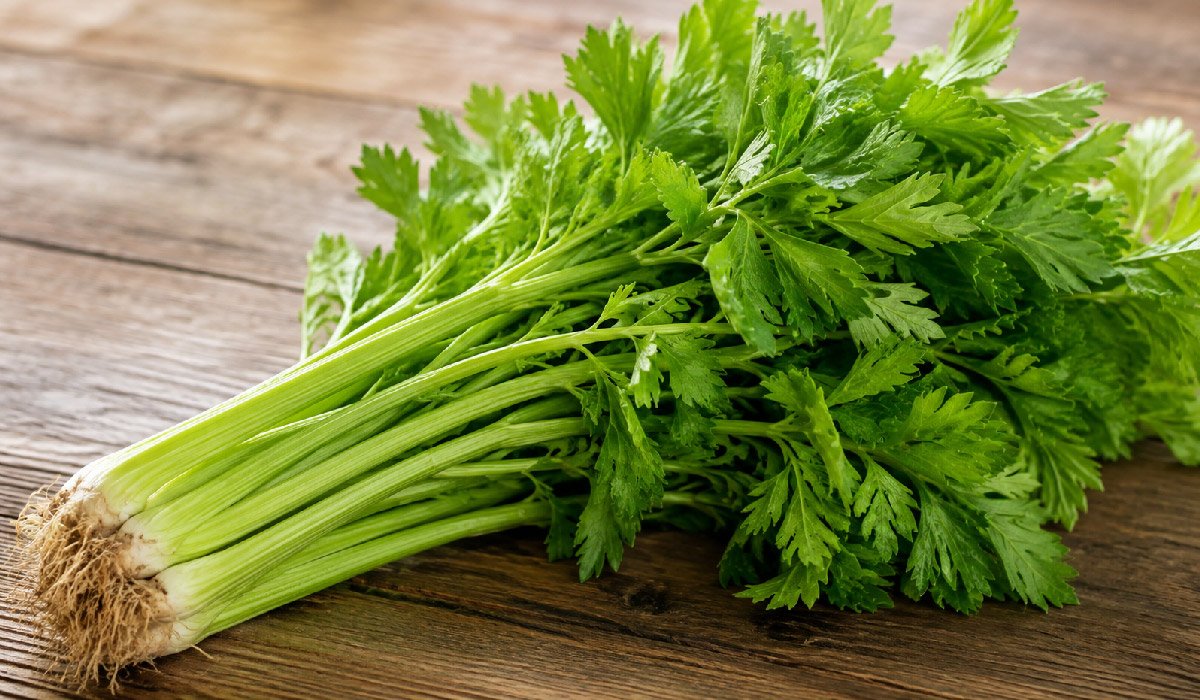
Pravi Celer is a term you may see in discussions about celery, Balkan cooking, gardening, and traditional foods. At first, it can sound like the name of a rare vegetable. The reality is simpler. The term is associated with celery, the familiar plant botanically known as Apium graveolens. Celery comes in several cultivated forms, including stalk celery, leaf celery, and celeriac. Each is grown for a different useful part of the plant. This guide explains what Pravi Celer means, how these celery types differ, their nutritional value, culinary uses, storage, growing needs, and important safety considerations.
What Does Pravi Celer Mean?
The expression Pravi Celer comes from South Slavic language use. The word “pravi” can mean real, true, or genuine, while “celer” refers to celery. In a simple English explanation, the phrase can therefore be understood as “true celery” or “real celery.” It should not, however, be treated as the formal botanical name of a separate species. The recognized botanical species is Apium graveolens. When Pravi Celer appears in recipes or online articles, context matters. The writer may be discussing ordinary celery, a traditional form of celery, or a particular edible part such as the root or leaves.
What Is Pravi Celer?
Pravi Celer is best understood through the celery species Apium graveolens. It belongs to the Apiaceae family, which also contains familiar plants such as carrots and parsley. Celery has been developed into cultivated forms that emphasize different edible parts. Some plants produce the large, crisp stalks commonly found in supermarkets. Others are valued mainly for their leaves. Celeriac is selected for its enlarged, rounded base. Because all these forms are closely related, the word celery can describe plants that look quite different on a plate. This is one reason the term Pravi Celer sometimes creates confusion.
Is Pravi Celer the Same as Regular Celery?
In general food discussions, Pravi Celer should not be presented as a completely separate species from regular celery. Both are associated with Apium graveolens. What changes is the cultivated form and the plant part people want to eat. Commercial stalk celery has been selected for large, crisp leaf stalks. Other celery types may have thinner stalks and stronger leaves. Celeriac develops a swollen edible base instead. These differences can make traditional celery look unlike the neatly trimmed bunch sold at a supermarket. They do not mean that supermarket celery is artificial or that Pravi Celer represents a scientifically separate vegetable.
Pravi Celer, Stalk Celery, Leaf Celery, and Celeriac Explained
Celery has several important cultivated forms. Stalk celery, often classified as Apium graveolens var. dulce, is grown mainly for its thick leaf stalks. Celeriac, commonly identified as var. rapaceum, is selected for its large edible base. Leaf celery, often called cutting celery or smallage in English sources, is grown mainly for aromatic leaves and thinner stalks. These forms belong to the same species but have been selected for different purposes. That distinction is useful when reading recipes. A dish calling for celery root may require celeriac, while another recipe may need fresh stalks or strongly flavored celery leaves.
Pravi Celer vs. Celeriac: What Is the Difference?
Pravi Celer and celeriac should not automatically be treated as two names for exactly the same thing. Celeriac is a particular cultivated form of Apium graveolens grown for its swollen base. It is round, rough, knobby, and very different in appearance from supermarket stalk celery. The inside is pale and firm. Stalk celery, by comparison, is cultivated mainly for long, crisp petioles. Both belong to the same celery species, which explains their related aroma and flavor. In a Balkan recipe, the intended form of “celer” should therefore be determined from the recipe and preparation instructions rather than the word alone.
Botanical Classification of Pravi Celer
The accepted scientific name for celery is Apium graveolens L. It belongs to the family Apiaceae and the genus Apium. Kew Science recognizes it as an accepted species and describes it as primarily biennial. This means the natural life cycle commonly extends over two growing seasons. Vegetative growth develops first, while flowering and seed production generally occur later. Celery belongs to the order Apiales. The plant’s botanical relationships help explain why its leaves and flowers can remind people of parsley, carrot, and other members of the same family. Cultivation has produced noticeable differences among the edible celery forms.
What Does the Pravi Celer Plant Look Like?
The exact appearance depends on the cultivated form. Celery generally has green, divided leaves and strongly grooved stalks. Botanical descriptions of Apium graveolens also note its characteristic strong smell. When allowed to reach its reproductive stage, the plant develops many small flowers arranged in umbels, the umbrella-like flower structures typical of Apiaceae plants. Wild forms can look much less substantial than cultivated supermarket celery. Stalk cultivars have been selected for larger petioles, while celeriac develops its distinctive swollen base. Leaf types usually have thinner stalks and are valued more for their aromatic foliage than for large, crunchy stems.
Origin and History of Celery
Celery has a much wider natural range than its modern supermarket image suggests. Kew Science records the native range of Apium graveolens from Macaronesia and North Africa through Europe and into the western Himalaya. It naturally occurs in parts of the Balkan region as well. Historical botanical records also show that celery has been known for a very long time. Earlier forms were used differently from the thick-stalked cultivars familiar today. Through cultivation and selection, people gradually developed celery forms suited to particular purposes. Some were favored for stalks, others for leaves, and others eventually for the enlarged base known as celeriac.
How Celery Became an Important European Food Crop
Celery’s development as a food crop involved generations of plant selection. Wild celery does not necessarily resemble the thick, mild bunches sold in modern stores. Growers selected plants with useful characteristics and gradually produced forms suited to different culinary needs. This process eventually gave us recognizable stalk celery, leaf celery, and celeriac. The different forms became useful because they could serve different roles in cooking. Aromatic leaves and stalks could add flavor, while celeriac offered a substantial vegetable suitable for cooking. Today, Apium graveolens is cultivated well beyond its native range and remains an internationally important vegetable and seasoning plant.
Pravi Celer in Balkan and European Cooking
Celery has an established place in many European kitchens, including the Balkans. Its main strength is its aroma. Celery can help create a flavorful base for soups, broths, stews, sauces, and slow-cooked dishes. Which part is used depends on the recipe. Stalks can be sliced and cooked with other vegetables, while celery leaves work as an aromatic herb. Celeriac can be cooked in soups or prepared as a vegetable in its own right. European celery traditions are not identical from country to country or household to household. For that reason, it is better to describe these as common culinary uses rather than one universal “Pravi Celer tradition.”
What Does Pravi Celer Taste Like?
Celery has a fresh, green, aromatic flavor that can also carry slightly bitter and earthy notes. Its smell is one of its most recognizable features. The exact intensity depends on the cultivar, freshness, growing conditions, and plant part. Thick commercial celery stalks tend to have a crisp texture and relatively mild flavor. Leaves can taste much stronger and work well when a dish needs celery aroma without much bulk. Celeriac has a denser texture and an earthy celery-like flavor. Cooking softens some of these sharper notes and allows celery to blend into soups, sauces, stocks, and other savory dishes.
Which Parts of Celery Can You Eat?
Several parts of cultivated celery have culinary uses, although their usefulness varies by type. The stalks of common celery are eaten raw or cooked. Fresh leaves can be chopped and used to flavor soups, stocks, sauces, and other savory dishes. Celeriac is grown specifically for its large edible base, which can be peeled before cooking or other preparation. Celery seeds are also used as a seasoning. However, it is misleading to assume that every celery cultivar produces equally useful stalks, leaves, and roots. Different cultivated forms have been selected to make one particular part more desirable, tender, large, or flavorful.
Nutritional Value of Pravi Celer
Celery is a low-calorie vegetable with a high water content. It also provides dietary fiber and several vitamins and minerals. Vitamin K is one of the nutrients commonly associated with celery, while it also supplies smaller amounts of other micronutrients. The exact nutritional values depend on serving size and the form of celery being eaten. Celeriac and raw stalk celery should not be treated as nutritionally identical because they are different plant forms with different edible tissues. Rather than calling Pravi Celer a superfood, it is more accurate to view celery as a useful vegetable that can contribute to a varied and balanced diet.
Potential Health Benefits of Celery
Celery can support a healthy eating pattern mainly because it provides water, fiber, and micronutrients without adding many calories. Its high water content can contribute to normal daily fluid intake, while dietary fiber supports normal digestive function. Celery also contains naturally occurring plant compounds that have attracted scientific interest. However, finding a compound in celery does not prove that eating celery can prevent or treat a particular disease. Claims that celery cures inflammation, cleans the kidneys, detoxifies the body, or treats serious health problems go beyond what should be stated from basic nutrition evidence. Its strongest value remains as a nutritious everyday vegetable.
How to Use Pravi Celer in Everyday Cooking
Celery is easy to include in everyday meals because it works both raw and cooked. Stalks can be chopped into salads or served as a crunchy snack. They can also be cooked with onions and other vegetables to build flavor for soups, sauces, stews, and stocks. Celery leaves can be finely chopped and used much like an aromatic herb. Celeriac requires different preparation. Its rough outer surface is normally removed before the pale interior is sliced, diced, mashed, roasted, or added to soup. Choosing the right celery form for the recipe usually gives better results than treating every type as interchangeable.
How to Choose Fresh Celery and Celeriac
When buying stalk celery, look for firm, crisp stalks that do not appear badly wilted or slimy. Fresh leaves should generally look lively rather than heavily yellowed or decayed. The stalks should feel reasonably firm when handled. Celeriac requires a different visual check. Its naturally rough, uneven surface is normal, so an unattractive shape does not mean the vegetable is poor quality. Look instead for a firm specimen without large soft, rotten, or badly damaged areas. Size alone does not guarantee quality. Buying fresh celery is mainly about firmness and condition rather than finding a perfectly shaped plant.
How to Prepare Pravi Celer Before Cooking
Preparation depends on the celery form. Stalk celery should be washed carefully because soil can collect around the base and between stalks. Damaged ends can be trimmed before slicing. The leaves do not have to be thrown away if they are fresh and suitable for eating. They can be washed and used as seasoning. Celeriac takes slightly more work because its outer surface is thick and irregular. Wash away loose soil, then remove the rough exterior with a knife or suitable peeler. Once cut, the pale interior can be prepared according to the recipe. Always remove spoiled or badly damaged portions before cooking.
How to Store Pravi Celer Properly
Fresh celery is best kept cool after purchase or harvest. Stalk celery can be stored in the refrigerator, where lower temperatures help slow moisture loss and deterioration. Avoid leaving it for long periods in warm conditions. Celeriac also benefits from cool storage and generally handles storage differently because of its dense structure and protective exterior. Do not store vegetables that are already badly damaged or rotting beside healthy produce. If celery has been cut, keep the exposed food protected and refrigerated. Storage time varies with freshness, temperature, packaging, and preparation, so appearance, smell, and signs of spoilage remain important practical checks.
Can You Freeze or Dry Pravi Celer?
Celery can be preserved, but the final texture and best use may change. Frozen celery is generally more suitable for cooked dishes than for raw salads because freezing can reduce the crisp texture of fresh stalks. Chopped celery can therefore be useful later in soups, stews, sauces, and stocks. Celery leaves can also be preserved for seasoning, including by drying when suitable food-safe methods are followed. Celeriac may also be prepared for freezer storage, depending on the intended recipe. Preservation should always use clean equipment, sound produce, and established food-safety methods rather than relying only on traditional habits or unverified storage advice.
How to Grow Pravi Celer at Home
Celery can be rewarding to grow, but it requires more attention than many easy garden vegetables. It prefers fertile soil and regular moisture. Seeds are small, and early growth can be slow, so gardeners often start plants before conditions outdoors are suitable. Celery should not be allowed to repeatedly dry out because steady moisture supports good growth. Stalk celery and celeriac also have somewhat different harvest goals. One is grown mainly for developed stalks, while the other needs enough time to form its enlarged base. Gardeners should therefore choose seed specifically labeled for the celery type they actually want to harvest.
Soil, Water, Sunlight, and Temperature Requirements
Celery performs best when its basic growing conditions remain fairly stable. Fertile soil with good moisture retention is useful, but drainage is also important because roots should not remain in badly waterlogged ground. Regular watering is particularly important during active growth. Celery is generally considered a cool-season vegetable and can struggle when conditions become excessively hot or dry. Good light supports healthy growth, although local climate influences how much direct sun plants comfortably receive. Adding organic matter before planting can improve soil structure. Mulch may also help reduce rapid moisture loss. Exact planting dates should always be adjusted for the local growing climate.
When and How to Harvest Pravi Celer
Harvesting depends on what type of celery you grow. Stalk celery is harvested when the stalks have developed to a useful size and quality. Gardeners may remove individual outer stalks or harvest the plant according to the cultivar and growing method. Leaf celery can be cut for its aromatic foliage while maintaining enough healthy growth for the plant to continue developing. Celeriac is harvested for its swollen base after it has reached a suitable size. Do not assume that all celery varieties mature at exactly the same rate. Seed packet instructions and cultivar information provide more useful harvest guidance than a single universal number of growing days.
Common Celery Growing Problems
Uneven moisture is one of the common challenges when growing celery. Plants that repeatedly become too dry may develop poorly and produce disappointing stalks. Excessive heat can also create problems because celery generally prefers cooler growing conditions. Like other garden crops, celery can experience insect damage and plant diseases. Good spacing, suitable watering practices, clean garden management, and crop rotation can help reduce some problems. Gardeners should identify a pest or disease before choosing a treatment rather than spraying plants unnecessarily. The specific diseases and insects present vary by region, making advice from a local agricultural or horticultural extension service particularly useful when serious problems develop.
Celery Allergy, Safety, and Important Precautions
Celery is a normal food for many people, but it can cause allergic reactions in sensitive individuals. A known celery allergy should therefore be taken seriously, especially when celery or celery-derived ingredients may be hidden in prepared foods. People taking certain medicines may also need individualized dietary guidance. Vitamin K intake, for example, is important to manage consistently for some people using vitamin K antagonist medicines such as warfarin. Normal culinary celery should also be distinguished from concentrated celery seed extracts and supplements. Concentrated products can involve different doses and risks. Anyone using them for a health condition should seek qualified medical advice.
Common Myths About Pravi Celer
Several online claims about Pravi Celer need careful treatment. It is not supported to describe it as a scientifically separate “real celery” species while calling supermarket celery fake. Cultivated stalk celery, leaf celery, and celeriac are forms associated with Apium graveolens. It is also misleading to say Pravi Celer always means celeriac, since the intended plant part can depend on context. Health claims require similar caution. Celery is nutritious, but that does not make celery juice a proven detox treatment or celery a cure for disease. Separating botanical facts from attractive internet claims makes information about this vegetable far more useful.
Pravi Celer vs. Similar Vegetables
Celery can sometimes be confused with related vegetables because members of the Apiaceae family may share certain visual or aromatic features. Celeriac creates another source of confusion because its large rounded base looks nothing like familiar supermarket celery stalks. Yet both belong to Apium graveolens. Parsley belongs to the same wider plant family but is a different plant. Fennel is also related at the family level, although it has its own distinctive flavor and botanical identity. When identifying Pravi Celer, scientific names and the edible plant part are more reliable than appearance alone. This is especially helpful when translating regional recipes or buying unfamiliar vegetables.
Is Pravi Celer Worth Adding to Your Diet?
For most people who already eat celery safely, it can be a practical addition to a varied diet. It is versatile, widely usable in savory cooking, and does not need exaggerated health claims to be valuable. Raw stalks provide crunch, while cooked celery contributes aroma to soups and stews. Leaves can add flavor, and celeriac offers another texture and style of preparation. The greatest advantage may simply be flexibility. One plant species has produced several cultivated forms that suit very different recipes. Pravi Celer is therefore best appreciated as an everyday food ingredient rather than a miracle product that needs special wellness promises.
Conclusion
Pravi Celer is easier to understand once the terminology is separated from the online hype. The term is associated with celery, while the accepted botanical species is Apium graveolens. Within that species are cultivated forms grown for different purposes, including stalk celery, leaf celery, and celeriac. This explains why celery can look and taste different across markets, gardens, and regional recipes. It remains useful because of its fresh aroma, culinary flexibility, and nutritional value. Whether you use the stalks in a salad, leaves in soup, or celeriac in a cooked dish, understanding the specific celery form helps you use it correctly.
FAQs
What does Pravi Celer mean in English?
Pravi can mean “true” or “real,” while celer means celery in several South Slavic languages. The expression can therefore be translated roughly as “true celery.” It is not the formal scientific name of a separate celery species.
What is the scientific name of Pravi Celer?
The celery discussed under this term is associated with Apium graveolens. It belongs to the Apiaceae family. Different cultivated forms of this species have been developed for stalks, leaves, or the enlarged base known as celeriac.
Is Pravi Celer regular celery?
In most practical contexts, it refers to celery rather than a completely separate vegetable species. However, the exact form may vary. A recipe may refer to stalk celery, aromatic leaves, or celeriac depending on regional usage and preparation.
Is Pravi Celer the same as celeriac?
Not necessarily. Celeriac is a cultivated form of Apium graveolens selected for its enlarged edible base. Stalk celery belongs to the same species but is selected mainly for its large, crisp leaf stalks.
What parts of Pravi Celer are edible?
Depending on the cultivated form, people use celery stalks, leaves, celeriac, and seeds. Different varieties are selected for different parts, so not every celery plant produces stalks or an enlarged base of the same culinary quality.
Can Pravi Celer be eaten raw?
Yes. Stalk celery is commonly eaten raw, including in salads and snacks. Celeriac can also be prepared raw in suitable dishes after its rough outer layer is removed and the edible interior is properly cleaned and prepared.
What does Pravi Celer taste like?
Celery has a fresh, green, aromatic taste with slightly earthy or bitter notes. Flavor intensity varies among cultivars and plant parts. Celery leaves are often stronger, while commercial stalks usually have a milder taste and crisp texture.
Is Pravi Celer healthy?
Celery can form part of a healthy, balanced diet. It contains plenty of water and provides fiber and micronutrients. However, it should not be promoted as a cure, detox treatment, or substitute for appropriate medical care.
Can you grow Pravi Celer at home?
Yes. Celery can be grown in a home garden or suitable container. It needs fertile soil, regular moisture, and appropriate temperatures. Choose seeds according to whether you want stalk celery, leaf celery, or celeriac.
How should Pravi Celer be stored?
Fresh stalk celery should generally be kept refrigerated to slow moisture loss and spoilage. Celeriac also benefits from cool storage. Cut vegetables should be protected and refrigerated, and any produce showing clear signs of spoilage should be discarded.
You may also read: Witelovers: Meaning, Lifestyle, Design, and Complete Guide