

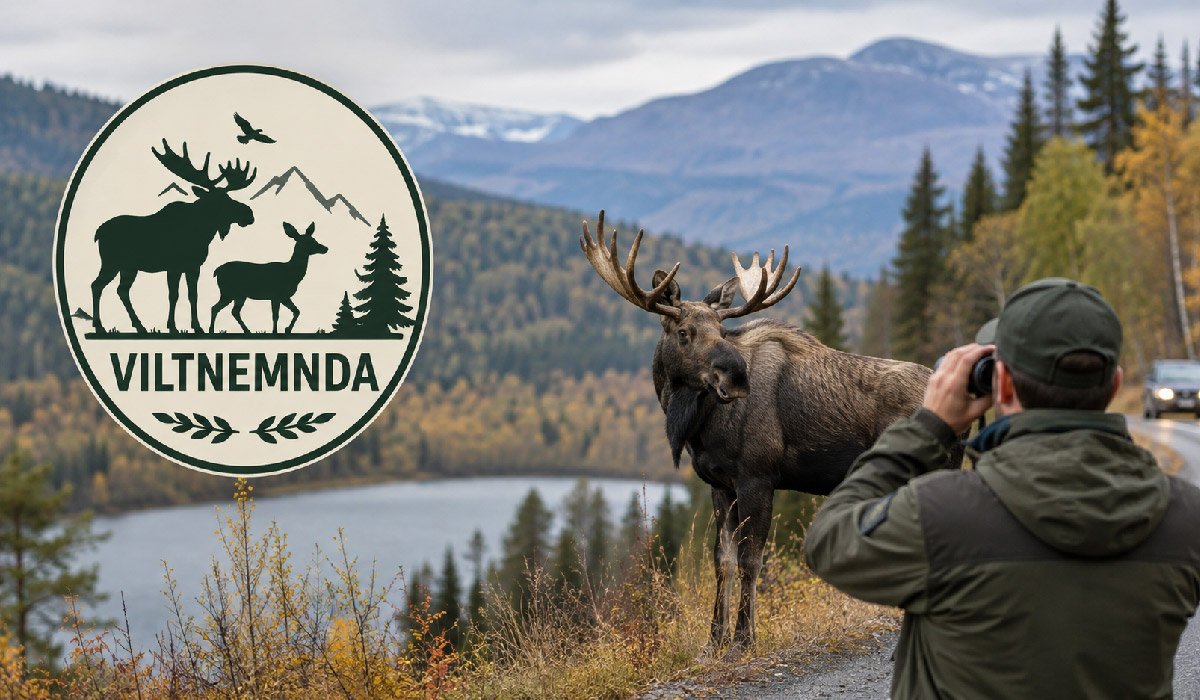
Viltnemnda is a Norwegian term connected with local wildlife management. It is commonly used for municipal wildlife committees or local bodies that deal with wildlife matters. Their work focuses on finding a practical balance between wild animal populations and human activities. This can involve hunting, wildlife monitoring, damage caused by animals, and conflicts between wildlife and local communities.
The exact organization can differ between municipalities. Wildlife responsibilities may be handled through a committee, municipal administration, or other local arrangements. The central idea is the same: wildlife decisions should follow Norwegian law while taking local conditions into account.
History of Wildlife Management in Norway
Wildlife management in Norway has changed as society and the landscape have developed. Hunting and fishing have long been connected with rural life and the use of natural resources. Over time, growing settlements, farming, roads, and other human activities created a greater need for organized wildlife management.
Modern management places more attention on sustainability than simple use of wildlife resources. Animal populations, habitats, biodiversity, and human safety all need consideration. National laws now provide the framework for these decisions. Local authorities help apply that framework to conditions in their own areas, where wildlife populations and human-wildlife interactions can vary considerably.
Viltnemnda’s Role in Local Wildlife Management
Local wildlife management connects national rules with conditions on the ground. A municipality may need to consider animal population levels, hunting interests, agricultural concerns, traffic safety, and biodiversity at the same time. Viltnemnda has traditionally been associated with this local part of wildlife administration.
Local knowledge is especially useful because wildlife conditions are not identical across Norway. A rural municipality with large deer populations may face different issues from a more developed area. Local management therefore allows decisions to reflect regional conditions. At the same time, municipalities must work within the laws and regulations established by Norwegian authorities.
Norway’s Legal Framework for Wildlife Management
Wildlife management in Norway operates within national environmental and wildlife legislation. Two important laws in this area are the Wildlife Act, known as Viltloven, and the Nature Diversity Act, or Naturmangfoldloven. These laws provide principles for wildlife use, environmental protection, biodiversity, and sustainable management.
The legal framework is important because local wildlife decisions cannot be made only according to personal or local preferences. Authorities must consider national rules and conservation responsibilities. Hunting and wildlife management can also be affected by additional regulations and administrative decisions. This creates a system in which local action remains connected to wider Norwegian environmental policy.
How Municipal Wildlife Management Is Organized
There is no reason to assume that every Norwegian municipality organizes wildlife work in exactly the same way. The name Viltnemnda is associated with municipal wildlife committees, but local administrative structures can differ. Some responsibilities may be handled by municipal employees, political committees, or specialized wildlife personnel.
This distinction is important when someone needs help with a wildlife issue. The correct contact may depend on both the municipality and the type of incident involved. Local authorities also cooperate with regional and national bodies when necessary. This flexible structure allows municipalities to respond to local conditions while still working within Norway’s broader wildlife management system.
Main Responsibilities of Viltnemnda
Local wildlife responsibilities can cover several connected areas. These include monitoring wildlife populations, supporting sustainable management, dealing with hunting-related matters, and responding to conflicts between animals and people. Wildlife damage and incidents involving injured animals may also require coordination between local authorities and other responsible services.
Another important responsibility is using local information when wildlife decisions are considered. Hunting statistics, animal observations, population trends, and environmental conditions can all provide useful evidence. Local wildlife administration may also communicate with hunters, farmers, landowners, and residents. These responsibilities help connect wildlife conservation with practical issues affecting people who share the landscape with wild animals.
Wildlife Population Management
Healthy wildlife management requires an understanding of how animal populations change. Species such as moose, deer, and roe deer can be important in local management because their numbers affect ecosystems, hunting, agriculture, and traffic safety. Authorities therefore need information about population size, distribution, and development.
Population management does not simply mean reducing animal numbers. The wider goal is to keep wildlife populations at sustainable levels while considering habitats and ecological conditions. Local observations and hunting information can contribute to this process. Decisions should also account for long-term biodiversity. Effective management depends on reliable information rather than assumptions about whether a population is too large or too small.
Hunting and Sustainable Wildlife Management
Hunting is closely connected with wildlife management in Norway. When properly regulated, it can form part of a broader system for managing certain animal populations. Hunting must follow relevant laws, seasons, permissions, and other rules rather than being treated as an unrestricted activity.
Wildlife managers can use population information and hunting data when considering management goals. Hunters also provide practical knowledge because they spend significant time in wildlife habitats. However, hunting interests are only one part of the process. Authorities must also consider biodiversity, animal welfare, habitats, agriculture, and public interests. Sustainable hunting aims to allow responsible use without damaging the long-term health of wildlife populations.
Human-Wildlife Conflict
People and wildlife often use the same landscapes. As a result, conflicts can occur around farms, roads, homes, and other developed areas. Large animals may enter agricultural land or cross busy roads, while other wildlife activity can create concerns for landowners and residents.
Local wildlife management seeks practical ways to reduce these problems without ignoring conservation needs. The best response depends on the species, location, and type of conflict. Preventive action may sometimes be more useful than reacting after damage occurs. Cooperation between authorities, landowners, hunters, and residents can therefore be important. The goal is safer coexistence while maintaining responsible treatment of wildlife.
Wildlife Damage and Preventive Measures
Wild animals can sometimes damage crops, fences, vegetation, or other property. Such incidents create difficult questions because wildlife is part of the natural environment while landowners may experience real practical or economic effects. Wildlife management must therefore consider both conservation and human interests.
Preventive measures can play an important role. Depending on the situation, landowners may use appropriate barriers, fencing, or other methods to reduce wildlife access to vulnerable areas. Population management can also be relevant in some cases. However, the correct response depends on the species and applicable regulations. People experiencing repeated wildlife damage should contact the responsible local authority for guidance on available measures.
Wildlife-Vehicle Collisions and Injured Animals
Wildlife-vehicle collisions are an important safety issue, especially where roads pass through areas used by moose, deer, and other large animals. A collision can seriously injure an animal and create danger for drivers and other road users. Fast reporting is therefore important after an incident.
The response may involve police, local wildlife personnel, or trained search teams, depending on the circumstances. An injured animal may leave the road after being struck, making professional tracking necessary. Drivers should follow official reporting instructions rather than attempting to chase an injured animal themselves. Information about repeated collisions can also help authorities understand where wildlife and traffic frequently intersect.
How Wildlife Management Decisions Are Made
Good wildlife decisions require more than a single observation. Authorities can consider population information, hunting results, habitat conditions, reported wildlife sightings, traffic collisions, and other relevant evidence. Scientific research can provide additional understanding of how species and ecosystems are changing.
Local knowledge also has value. Hunters, farmers, landowners, and residents may notice animal movements or conflicts that are difficult to identify through statistics alone. However, management decisions still need to follow legal requirements and wider conservation goals. Combining evidence with practical experience helps authorities understand local conditions. This approach can support decisions that consider wildlife populations, biodiversity, public safety, and community interests together.
Technology and Data in Wildlife Management
Modern technology can provide useful information about wildlife. GPS tracking can help researchers understand where animals move and how they use different habitats. Camera traps can record animals without requiring people to remain in the area. Digital maps and Geographic Information Systems can also help organize information about landscapes and wildlife activity.
Data can be especially useful when looking for patterns. For example, mapping wildlife-vehicle collisions may reveal locations where animals frequently cross roads. Technology does not replace field knowledge or scientific judgment, but it can improve the information available for management. Different tools are used according to the project, species, resources, and responsible organization.
Cooperation With Norwegian Wildlife Authorities
Local wildlife management forms part of a wider administrative system. Municipalities may cooperate with Statsforvalteren, the state administrator at the regional level, and Miljødirektoratet, the Norwegian Environment Agency. These bodies have different responsibilities within environmental and wildlife management.
Cooperation helps connect local needs with regional and national policies. A municipality may have detailed knowledge about wildlife conditions in its own area, while higher authorities provide legal guidance and broader environmental frameworks. Researchers and other specialist organizations can also contribute information when appropriate. This division of responsibility is important because not every wildlife question can be decided by a local committee or municipal wildlife office alone.
Role of Hunters, Farmers, and Landowners
Hunters, farmers, and landowners have direct experience with wildlife and can provide useful information for local management. Hunters may observe population changes, animal health, and movement patterns during the hunting season. Farmers can report wildlife activity affecting crops or agricultural land. Landowners often understand how animals use particular parts of the landscape.
These groups can therefore contribute practical knowledge that supports formal wildlife data. At the same time, their interests may not always be identical. Hunters, farmers, conservation interests, and authorities can have different views about population levels or management measures. Effective local wildlife management requires these perspectives to be considered alongside scientific evidence and legal requirements.
Community Involvement in Wildlife Management
Wildlife management affects more than government agencies and hunters. Residents may encounter wild animals near roads, homes, farms, or outdoor recreation areas. Community observations can therefore provide useful information about where animals are appearing and where conflicts may be developing.
Public communication is equally important. People need clear information about hunting rules, injured wildlife, road collisions, and the correct authorities to contact. Dialogue can also improve understanding of why particular wildlife management measures are taken. Local participation does not mean every decision is determined by public opinion. Instead, community knowledge can complement scientific information and help authorities understand how wildlife issues affect people in everyday situations.
Challenges Facing Wildlife Management in Norway
Wildlife management involves competing environmental and social pressures. Habitat fragmentation can change where animals live and move. Roads and development can increase contact between wildlife and people. Agricultural interests may conflict with certain wildlife populations, while hunters and conservation groups may hold different views about appropriate management levels.
Climate change adds another layer of difficulty because changing environmental conditions can influence habitats, food availability, and animal behavior. Managers also need dependable information before making decisions. These challenges mean wildlife policy cannot remain fixed forever. Authorities need to review conditions, use current evidence, and adapt management approaches while continuing to follow environmental laws and conservation principles.
The Future of Viltnemnda and Local Wildlife Management
The future of local wildlife management is likely to depend increasingly on good information and cooperation. Digital mapping, GPS research, wildlife observations, and improved population data can help authorities better understand how animals use landscapes. These tools can support more informed decisions when combined with field experience.
Environmental change will also require flexible management. Habitat pressures, traffic, land development, and changing climate conditions may alter the challenges faced by individual municipalities. Local knowledge will therefore remain valuable. Cooperation between municipalities, government authorities, researchers, hunters, landowners, and communities can help wildlife management respond to change while maintaining its focus on sustainability and biodiversity.
Conclusion
Viltnemnda is best understood in the context of Norway’s local wildlife management system. The term is traditionally associated with municipal wildlife committees, although the exact organization and division of responsibilities can differ between municipalities. Local wildlife work connects national environmental rules with conditions experienced in individual communities.
Its wider purpose involves sustainable wildlife populations, responsible hunting, biodiversity, public safety, and management of conflicts between people and animals. No single group can achieve these goals alone. Municipalities, national and regional authorities, hunters, farmers, landowners, researchers, and residents all have roles to play. Effective wildlife management ultimately depends on reliable information, cooperation, and responsible long-term decisions.
FAQs
What is Viltnemnda?
Viltnemnda is a Norwegian term associated with local wildlife committees and municipal wildlife management. Its work can involve wildlife populations, hunting matters, human-wildlife conflicts, and other local wildlife issues under Norwegian laws and regulations.
What does Viltnemnda do?
Viltnemnda is connected with local wildlife management. Responsibilities may include population management, hunting-related matters, wildlife conflicts, and coordination with other authorities. The exact organization and responsibilities can differ between Norwegian municipalities.
Does Viltnemnda manage hunting in Norway?
Local wildlife authorities can have responsibilities connected with hunting and wildlife population management. However, hunting operates under national laws and regulations, and responsibilities are divided among municipal, regional, and national authorities.
What happens when wildlife is injured in a road accident?
Wildlife-vehicle collisions should be reported through the appropriate official channels. Police, local wildlife personnel, or trained search teams may become involved. Their work can include locating injured animals and handling the situation safely and humanely.
Why is Viltnemnda important for wildlife management?
Local wildlife management helps connect national rules with conditions in individual communities. It supports sustainable wildlife populations while considering biodiversity, hunting, agriculture, traffic safety, land use, and conflicts between people and wild animals.
You may also read: Smoothiepussit: Complete Guide to Smoothie Pouches, Nutrition, Uses, and Safety