

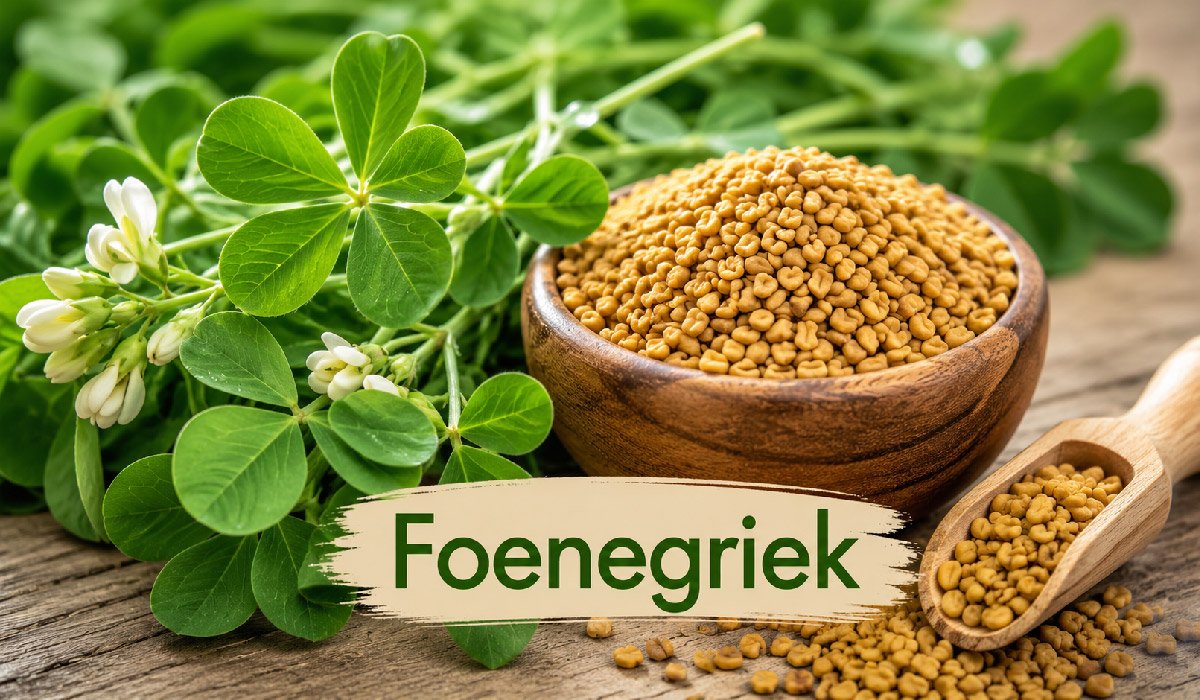
Foenegriek is another name used for fenugreek, the well-known herb Trigonella foenum-graecum. It has been part of cooking, gardening, and traditional herbal practices for centuries. Both its green leaves and golden-brown seeds are useful.
Foenegriek attracts attention because one small plant has many uses. Its leaves are cooked as food, its seeds work as a spice, and its fiber and natural plant compounds have made fenugreek popular in traditional wellness practices.
This complete guide explains what Foenegriek actually means and how it differs from the familiar word fenugreek. You will also learn about its nutrients, possible benefits, culinary uses, growing requirements, harvesting methods, side effects, and practical ways to use it.
What Is Foenegriek?
Foenegriek refers to fenugreek, scientifically known as Trigonella foenum-graecum. It is a small annual herb belonging to the legume family. The plant produces green leaves, pale flowers, long pods, and hard golden-brown seeds with a strong aroma.
Fenugreek has a long history in parts of Asia, the Mediterranean, and the Middle East. Its leaves and seeds became important ingredients in regional cooking. Traditional wellness systems also used different preparations of the herb for several purposes.
Today, Foenegriek can be found as whole seeds, ground powder, dried leaves, fresh leaves, herbal tea, extracts, and supplements. This variety makes the plant useful for people interested in cooking, home gardening, nutrition, or traditional herbal practices.
Is Foenegriek the Same as Fenugreek?
Yes. Foenegriek and fenugreek refer to the same plant, Trigonella foenum-graecum. Fenugreek is the familiar English name, while Foenegriek is a name used in some European languages. It does not describe a separate herb or special variety.
The same plant is also widely called methi in South Asia. Other regional names include helba, shanbalileh, and uluva. These different names can make the herb appear more complicated than it really is.
Regardless of the name, people generally use the same edible leaves and seeds. The differences mainly come from language, regional cooking traditions, preparation methods, and how people choose to use the plant.
Where Does Foenegriek Come From?
Foenegriek has deep roots in Mediterranean, southern European, western Asian, Middle Eastern, and South Asian traditions. The plant has been cultivated for thousands of years, making it one of the older herbs associated with both food and traditional remedies.
Its botanical name, Trigonella foenum-graecum, is connected with the old term “Greek hay.” Fenugreek was historically valued as both a useful crop and food ingredient. Over time, its cultivation spread across different regions and cultures.
Today, fenugreek is especially familiar in Indian, Pakistani, Middle Eastern, Mediterranean, and North African cooking. Its ability to provide both edible leaves and useful seeds has helped it remain popular across generations.
What Does the Foenegriek Plant Look Like?
Foenegriek is a compact annual herb that normally reaches around 30 to 60 centimeters in height. It has an upright growing habit and produces groups of three small green leaflets that give it an appearance similar to clover.
Small cream, white, or pale-yellow flowers appear as the plant matures. These flowers later develop into narrow pods. A mature pod can contain several hard, angular seeds that range from yellow to golden brown.
The leaves have a fresh but slightly bitter taste. Fenugreek seeds have a much stronger bittersweet flavor and a warm aroma often compared with maple syrup. Gentle roasting can soften some of their natural bitterness.
Nutritional Value of Foenegriek
Fenugreek seeds contain a notable combination of protein, carbohydrates, dietary fiber, and minerals. Around 100 grams of seeds can provide roughly 323 calories, 23 grams of protein, 58 grams of carbohydrates, 25 grams of fiber, and 6 grams of fat.
The seeds also provide minerals such as iron, magnesium, and manganese, along with vitamin B6. However, a normal serving is much smaller than 100 grams, so the nutrients consumed in one meal will also be considerably lower.
Foenegriek also contains natural plant compounds, including saponins, trigonelline, diosgenin, and galactomannan. These compounds, together with its fiber content, are an important reason fenugreek has attracted interest in nutrition and wellness research.
Foenegriek and Blood Sugar
One of the most studied uses of fenugreek involves blood sugar management. Its seeds contain a substantial amount of fiber, which can slow digestion and the absorption of carbohydrates after food is eaten.
Fenugreek has therefore been studied for possible effects on fasting glucose, after-meal blood sugar, and insulin response. These effects are particularly relevant to research involving people with type 2 diabetes or difficulties controlling glucose.
However, fenugreek should not replace prescribed diabetes treatment. Anyone taking insulin or medicines that lower blood sugar should be careful with concentrated fenugreek products because combining them may cause blood glucose to fall too low.
Digestive Benefits of Foenegriek
The high fiber content of fenugreek seeds makes digestion another important area of interest. Dietary fiber helps increase stool bulk and supports regular bowel movements, which can be useful for maintaining normal digestive function.
Fenugreek is also traditionally used for concerns such as constipation, indigestion, and bloating. Soaked seeds are particularly popular because water softens their texture and makes them easier to consume.
Large quantities are not suitable for everyone. Fenugreek can sometimes cause gas, diarrhea, or general stomach discomfort. Starting with normal food amounts rather than large concentrated servings can make it easier to understand how your body responds.
Foenegriek and Heart Health
Fenugreek contains soluble fiber and saponins, which have attracted interest for their possible relationship with cholesterol. Fiber can influence digestion and the way some fats and cholesterol are handled inside the digestive system.
Research has explored whether regular fenugreek consumption may help improve LDL cholesterol, triglycerides, and other markers connected with cardiovascular health. Its overall effect can depend on the amount consumed, preparation, diet, and individual health.
Fenugreek is best viewed as one part of a heart-friendly eating pattern rather than a treatment by itself. Vegetables, whole foods, physical activity, healthy fats, and appropriate medical care remain much more important for long-term cardiovascular health.
Can Foenegriek Help With Weight Management?
Fenugreek seeds contain plenty of fiber. When fiber absorbs liquid, it can contribute to a fuller feeling after eating. This may make fenugreek useful as part of meals designed to improve fullness and appetite control.
Soaked seeds, powder, and fenugreek-containing meals are commonly used by people interested in weight management. However, eating fenugreek does not automatically cause body fat to disappear or create rapid weight loss.
Long-term weight management still depends mainly on overall calorie intake, nutrition, activity, sleep, and lifestyle. Foenegriek can complement a balanced eating plan, but it should not be treated as a replacement for these basic habits.
Foenegriek for Breastfeeding Mothers
Fenugreek has traditionally been used as a galactagogue, a substance taken with the goal of supporting breast milk production. This is one reason fenugreek teas and supplements are commonly marketed toward breastfeeding mothers.
Responses can vary considerably from one person to another. Some mothers may notice changes in milk supply, while others may experience little difference. Concentrated supplements can also produce digestive effects or interact with health conditions and medicines.
Breastfeeding mothers should therefore be especially careful with high-dose products. A doctor or qualified lactation professional can help determine whether fenugreek is appropriate when milk supply is a concern.
Hormones, Testosterone, and Menstrual Health
Fenugreek contains diosgenin and other bioactive plant compounds. Because of these components, researchers have investigated whether particular fenugreek extracts can influence hormones, sexual health, testosterone, physical performance, and related areas.
For women, traditional uses have included support during menstruation and menopause. Fenugreek has also been associated with menstrual comfort, while its potential effects on male testosterone and libido have received attention in supplement research.
These effects should not be treated as guaranteed results from ordinary fenugreek seeds. Different studies can use specific extracts and doses, meaning a supplement may be very different from the amount added to everyday food.
Anti-Inflammatory Properties
Fenugreek contains several naturally occurring plant compounds with antioxidant and anti-inflammatory activity. This has contributed to its long history in traditional preparations for general discomfort and inflammation.
Its potential role has been considered in areas such as joint comfort, exercise recovery, and metabolic health. Antioxidants may also help protect cells against damage associated with excessive oxidative stress.
Still, chronic inflammation can have many different causes. Fenugreek can be included as a nutritious food ingredient, but persistent swelling, pain, or other symptoms should not be managed with an herb alone.
Foenegriek for Skin
Ground or soaked fenugreek seeds have traditionally been turned into pastes for topical skin use. Such preparations are often associated with soothing irritated skin and caring for areas affected by redness or blemishes.
Fenugreek contains plant compounds associated with antioxidant and anti-inflammatory properties. This explains why it continues to appear in homemade skin masks and some natural beauty routines.
Natural does not always mean irritation-free. A small patch test is sensible before putting a homemade fenugreek mixture over a larger area. People with persistent acne, rashes, or painful skin problems should seek appropriate medical care.
Foenegriek for Hair and Scalp
Fenugreek is also well known in traditional South Asian hair care. Seeds are commonly soaked overnight, softened, and blended into a thick paste before being used as a homemade hair or scalp mask.
These preparations are traditionally used to soften hair, improve shine, and care for a dry or flaky scalp. Fenugreek seeds contain protein and other nutrients, which have helped build their reputation as a natural hair-care ingredient.
However, fenugreek should not be considered a proven cure for every form of hair loss. Hair thinning can result from genetics, nutrition, hormones, illness, stress, or other causes that may require professional assessment.
Foenegriek Leaves and Seeds in Cooking
Both the leaves and seeds of Foenegriek are edible, but they are used differently. Fresh fenugreek leaves, commonly called methi, have a pleasantly bitter taste that becomes softer and more balanced after cooking.
Fresh or dried leaves can be added to curries, lentils, vegetables, breads, and stuffed flatbreads. They work especially well with rich foods because their slight bitterness provides contrast and additional herbal flavor.
The seeds have a stronger taste. They can be used whole or ground in curries, pickles, spice mixtures, chutneys, and other dishes. Lightly roasting the seeds before grinding can create a warmer and less sharply bitter flavor.
How to Use Foenegriek at Home
Whole seeds are one of the simplest forms to use. They can be soaked in water overnight, cooked with other ingredients, lightly toasted, or ground into powder. Soaking helps soften their naturally hard texture.
Fenugreek powder can be mixed into food, while the seeds can also be steeped in hot water to prepare herbal tea. Fresh and dried leaves are better suited to regular cooking and can add flavor to many savory meals.
Capsules and concentrated extracts are another option, but they are not equal to using small culinary quantities. Their strength varies between products, so dosage instructions and possible medicine interactions deserve greater attention.
How to Grow Foenegriek From Seeds
Fenugreek is relatively easy to grow from seed. It prefers loose, well-draining soil and generally performs well around a neutral soil pH. Heavy, constantly wet soil should be avoided because excess moisture can damage its roots.
Seeds can be planted directly about one to two centimeters deep. Young plants can later be thinned to provide enough room for healthy growth. Direct sowing is useful because fenugreek does not benefit from unnecessary root disturbance.
Germination can happen within several days when moisture and temperature are suitable. Leaves may become harvestable within a few weeks, while plants grown specifically for mature seeds need considerably longer to complete their lifecycle.
Sunlight, Water, and Temperature
Foenegriek performs best with plenty of sunlight. Around six hours or more of direct sun can encourage stronger plants and better seed production. Partial shade is possible, although growth may become thinner or less productive.
The soil should remain moderately moist during germination. Once plants become established, watering can be reduced. Allowing the surface to begin drying between watering sessions helps prevent constantly wet conditions around the roots.
Moderate temperatures are ideal. Fenugreek generally prefers cooler growing periods rather than extreme summer heat. In particularly hot climates, spring and autumn planting can provide more comfortable conditions for healthy development.
Growing Foenegriek in Containers
A large garden is not required to grow fenugreek. Containers can work well on balconies, patios, and sunny windowsills. A pot around 20 to 25 centimeters deep gives roots enough room to develop.
Drainage holes are essential because trapped water can encourage root problems. Fill the container with a loose, well-draining growing mixture and place it where the plants receive strong natural light.
Seeds can be sown directly in the container and lightly covered with soil. Keep them moist while they germinate. As seedlings grow, thinning crowded areas gives individual plants more space, airflow, and access to sunlight.
Harvesting Foenegriek Leaves and Seeds
Leaves can be harvested while they are young and tender. Removing small amounts from established plants provides fresh methi for cooking while allowing enough growth to remain for the plant to continue developing.
If seeds are your main goal, allow some plants to mature without repeatedly removing their leaves. Flowers will eventually produce long pods containing the characteristic hard fenugreek seeds.
Wait until the pods become yellowish-brown and dry before harvesting them for mature seed. The plants or pods can then be dried further in a ventilated location before the seeds are removed and stored in a dry container.
Common Foenegriek Growing Problems
Fenugreek is generally manageable for home gardeners, but aphids can gather around tender new growth. Powdery mildew may also appear when plants are crowded or air circulation remains poor around damp foliage.
Overwatering creates another common problem. Constantly wet soil can damage roots and encourage rot, while young seedlings may suffer from fungal problems when growing conditions remain overly damp.
Providing drainage, sunlight, reasonable spacing, and controlled watering prevents many problems. Another common mistake is planting during extreme heat, which can push plants toward flowering and seed production before enough healthy, leafy growth has developed.
Possible Side Effects of Foenegriek
Normal culinary amounts of fenugreek are generally used without major problems by many people. Larger quantities or concentrated supplements, however, can cause digestive discomfort, including gas, loose stools, nausea, or diarrhea.
Fenugreek can also produce a noticeable sweet or maple-like smell in sweat or urine. This unusual aroma is connected with sotolon, one of the compounds responsible for fenugreek’s distinctive scent.
Allergic reactions are another consideration, particularly for people sensitive to legumes. Stop using the product and seek appropriate medical help if serious symptoms such as swelling, breathing difficulty, or a severe allergic reaction develop.
Who Should Be Careful With Foenegriek?
Pregnant women should be cautious about consuming fenugreek in amounts much greater than those normally used in food. Concentrated herbal preparations should be discussed with a healthcare professional before use during pregnancy.
People taking diabetes medicine also need care because fenugreek may affect blood glucose. Combining strong fenugreek preparations with glucose-lowering medicine could potentially make blood sugar harder to manage safely.
People with allergies to legumes should also pay attention to possible reactions. Anyone taking regular medication or managing a medical condition should check for possible interactions before beginning concentrated fenugreek extracts or supplements.
Foenegriek vs Fenugreek vs Methi
Foenegriek, fenugreek, and methi are names associated with the same plant rather than three different herbs. The botanical name in each case is Trigonella foenum-graecum.
“Fenugreek” is the standard English term, while “methi” is widely used in South Asian languages and cooking. “Foenegriek” is another regional name that people may encounter when searching for the herb online or buying products.
The practical difference is therefore mainly linguistic. Seeds sold under these names can be used as a spice, while fresh or dried leaves are commonly cooked as vegetables or seasonings depending on the regional cuisine.
Final Thoughts
Foenegriek may sound unfamiliar, but it is simply another name for the ancient and widely used herb fenugreek. Its seeds and leaves have earned an important place in cooking, traditional wellness, and home gardening across many cultures.
Its nutritional profile includes fiber, protein, minerals, and several interesting plant compounds. Research has explored its relationship with blood sugar, cholesterol, digestion, lactation, hormones, and other areas, although effects can differ depending on preparation and dosage.
For everyday use, Foenegriek can be cooked as fresh methi, added to recipes as seeds or powder, brewed into tea, or grown at home. Used sensibly, it is a remarkably versatile herb with both culinary and practical value.
(FAQs)
What is Foenegriek used for?
Foenegriek is mainly used in cooking, traditional herbal practices, and supplements. Its fresh leaves are cooked as methi, while its seeds are added to curries, pickles, spice blends, teas, and other preparations.
Is Foenegriek the same as fenugreek?
Yes. Foenegriek and fenugreek are names for the same herb, Trigonella foenum-graecum. Methi is another widely used name. The terminology changes between languages and regions, but the underlying plant remains the same.
What are the main benefits of Foenegriek?
Foenegriek provides fiber, protein, iron, magnesium, and natural plant compounds. It has been studied for potential benefits related to blood sugar, cholesterol, digestion, and lactation, and it also has a long history of traditional herbal use.
Can I take Foenegriek every day?
Fenugreek is commonly eaten in normal food quantities as part of regular meals. Concentrated supplements require more care, particularly for pregnant women, people using diabetes medicines, and anyone with allergies or other medical conditions.
Can Foenegriek be grown at home?
Yes. Foenegriek is an annual herb that can grow in garden beds or containers. Give it well-draining soil, regular but moderate moisture, and plenty of sunlight. Young leaves can often be harvested within several weeks.
You may also read: Levapioli Food Guide: Taste, Ingredients and How to Cook It